Is Magnesium Glycinate Safe? A Comprehensive Guide
Magnesium is an essential mineral involved in over 300 enzymatic reactions in the body. Magnesium glycinate is a popular supplement form, known for its high bioavailability and gentle effect on the digestive system. But is magnesium glycinate safe for everyone? This article delves into the safety profile of magnesium glycinate, its benefits, potential side effects, and considerations for different individuals. We'll explore the science behind this supplement and provide guidance to help you determine if it's right for you.

Understanding Magnesium Glycinate
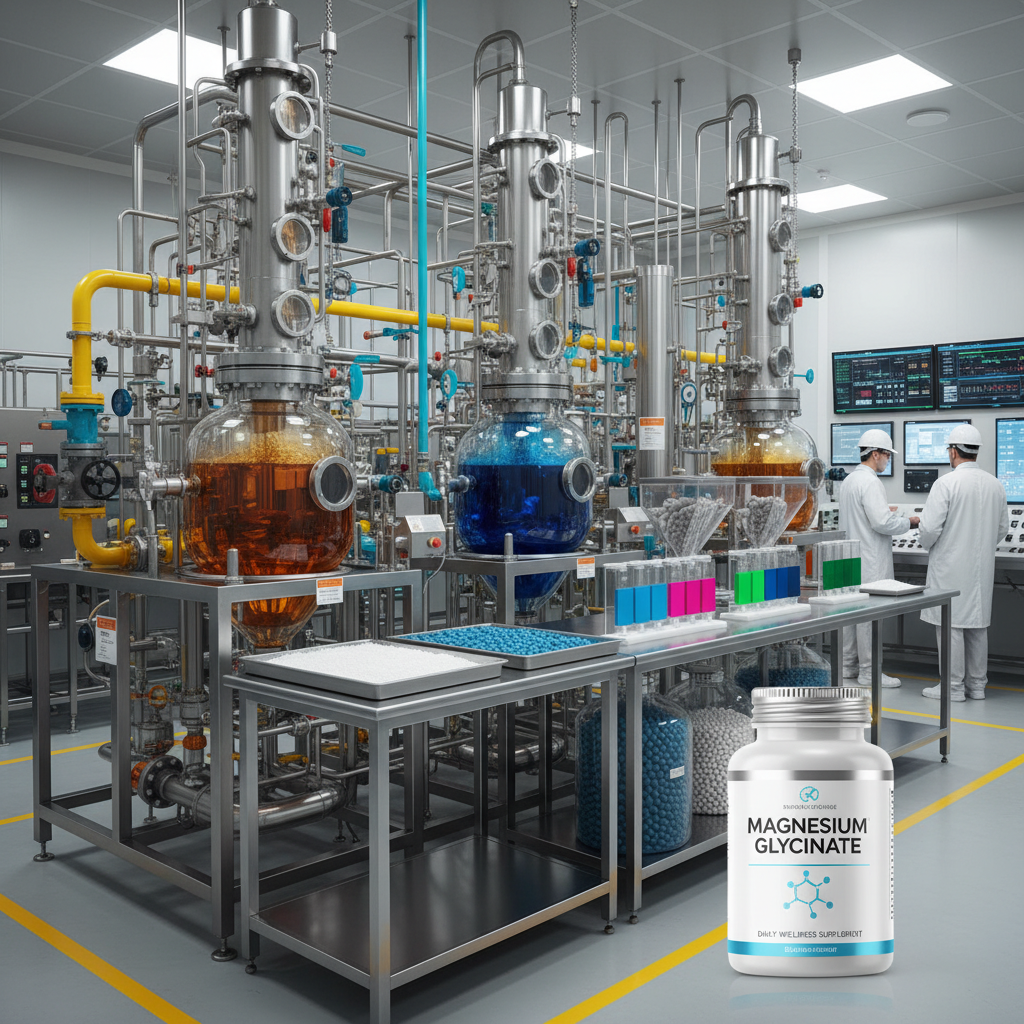
Magnesium glycinate is created by binding magnesium with the amino acid glycine. This chelation process enhances absorption compared to other forms like magnesium oxide. Glycine itself has calming properties, which contribute to the relaxing effects often associated with magnesium glycinate. It's often recommended for individuals experiencing anxiety, insomnia, or muscle cramps. HBFuyangbio offers high-quality magnesium glycinate, manufactured to strict standards for purity and potency.
Key Highlights: High bioavailability, gentle on the stomach, promotes relaxation, supports muscle function.
Potential Side Effects of Magnesium Glycinate
While generally well-tolerated, magnesium glycinate can cause side effects in some individuals, particularly at higher doses. The most common side effects are digestive issues, including diarrhea, nausea, and stomach cramps. These effects are typically mild and can be minimized by starting with a low dose and gradually increasing it. Less common side effects include fatigue and, in rare cases, irregular heartbeat. Individuals with kidney problems should exercise caution, as the kidneys are responsible for eliminating excess magnesium.
Common Side Effects:
• Diarrhea
• Nausea
• Stomach Cramps
• Fatigue
Magnesium Glycinate vs. Other Magnesium Forms: A Comparison
Not all magnesium supplements are created equal. Different forms have varying absorption rates and potential side effects. Here’s a comparison of magnesium glycinate with other common forms:
Who Should Be Cautious with Magnesium Glycinate?
While magnesium glycinate is generally safe, certain individuals should exercise caution or consult their doctor before taking it. This includes people with kidney disease, as they may have difficulty processing magnesium. Individuals with heart conditions should also seek medical advice, as magnesium can affect heart rhythm. Furthermore, magnesium can interact with certain medications, such as antibiotics, diuretics, and proton pump inhibitors. Always inform your healthcare provider about any supplements you are taking.
Dosage and Considerations
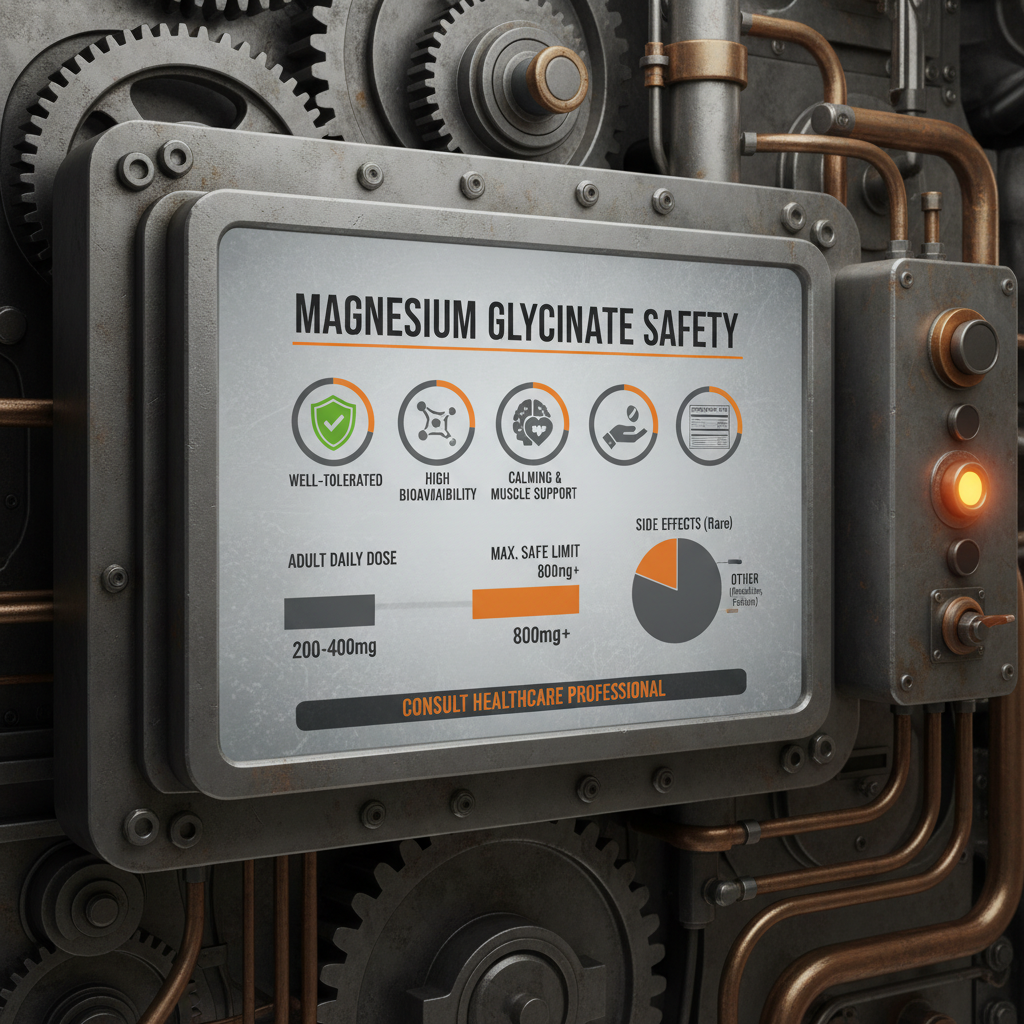
The recommended daily allowance (RDA) for magnesium varies depending on age and sex. However, many individuals do not meet this RDA through diet alone. A typical dose of magnesium glycinate ranges from 200-400mg per day, but it’s best to start with a lower dose and gradually increase it as tolerated. It’s also important to take magnesium with food to improve absorption and minimize digestive upset. Contact HBFuyangbio for guidance on optimal dosage and product selection.
Conclusion: Is Magnesium Glycinate Right for You?
Generally, magnesium glycinate is a safe and effective supplement for addressing magnesium deficiency and promoting overall health. Its gentle nature and high bioavailability make it a preferred choice for many. However, it’s crucial to consider individual health conditions and potential interactions with medications. Consult with your doctor before starting any new supplement regimen.
Frequently Asked Questions (FAQs)
Can I take magnesium glycinate with other supplements?
Generally, yes, but it's essential to consider potential interactions. Magnesium can interfere with the absorption of certain medications, including some antibiotics and calcium channel blockers. It's best to separate the intake of magnesium and these medications by at least 2 hours. Also, avoid taking magnesium with large doses of calcium, as they compete for absorption. Consult with your doctor or pharmacist to ensure there are no contraindications with your current medications and supplements.
What are the signs of magnesium deficiency?
Symptoms of magnesium deficiency can be subtle but include muscle cramps, fatigue, weakness, irregular heartbeat, and mental health issues like anxiety and depression. More severe deficiency can lead to numbness, tingling, and seizures. If you suspect you may be deficient, it’s important to get your magnesium levels checked by a healthcare professional. Dietary sources of magnesium include leafy green vegetables, nuts, seeds, and whole grains.
Is magnesium glycinate safe during pregnancy?
Magnesium is crucial during pregnancy, but it’s important to consult with your doctor before taking any supplements, including magnesium glycinate. While generally considered safe in appropriate doses, excessive magnesium intake can potentially cause complications. Your doctor can assess your individual needs and recommend a safe dosage based on your health status and stage of pregnancy.
How long does it take to feel the effects of magnesium glycinate?
The timeframe for experiencing the effects of magnesium glycinate varies depending on the individual and the severity of their deficiency. Some people may notice improvements in sleep and muscle relaxation within a few days, while others may take several weeks to experience significant benefits. Consistency is key – it’s important to take the supplement regularly as directed to allow your body to build up adequate magnesium levels.