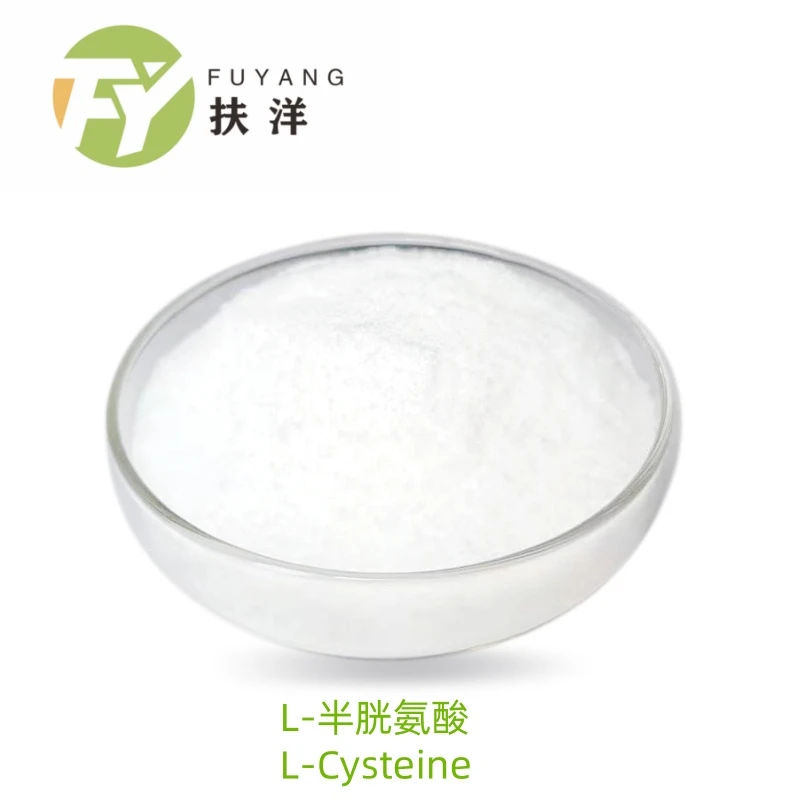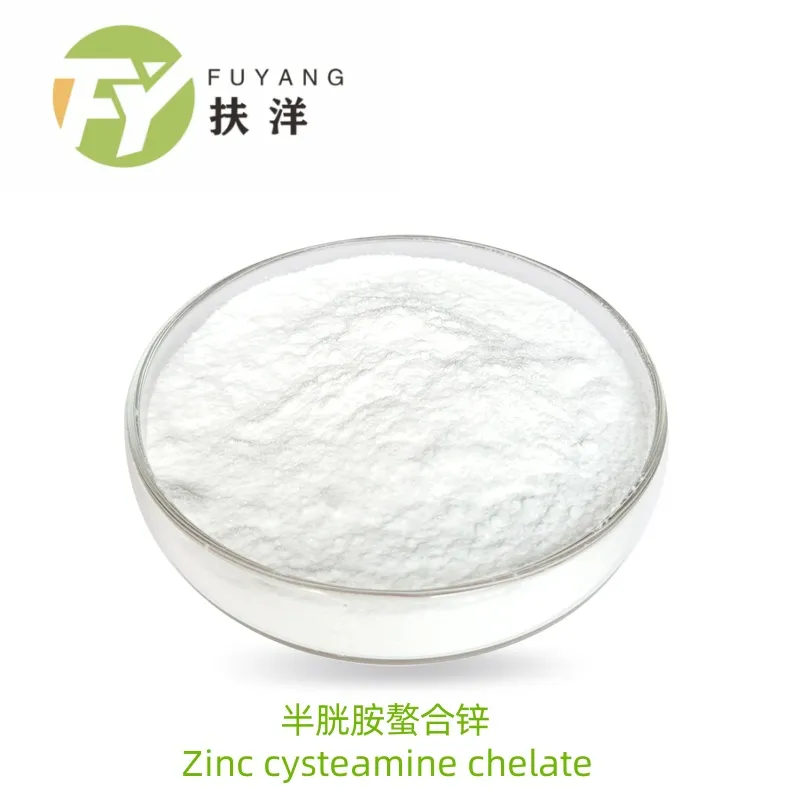
Zinc Cysteine Chelate is a premium organic zinc source engineered through advanced chelation technology, where zinc ions (Zn²⁺) are precisely bonded with L-cysteine molecules. This sophisticated chelate structure (Zn = 1:1–2) ensures maximum stability and significantly superior bioavailability compared to traditional inorganic salts, making it an essential additive for high-performance animal nutrition, human health supplements, and advanced agricultural applications.
By utilizing amino acid transport channels in the small intestine, Zinc Cysteine Chelate bypasses common anti-nutritional interference from phytic acid and dietary fiber. This mechanism increases absorption rates by 30% to 50%, while the synergistic effect of L-cysteine's sulfhydryl groups enhances antioxidant activity and immune modulation, promoting faster growth, better recovery, and optimized physiological health across various species.
Detailed Parameters
| Product Name | Zinc Cysteine Chelate | Molecular Formula | (C2H6NS)2Zn |
|---|---|---|---|
| Molecular Weight | 217 | Zinc Source | Organic (Chelated) |
| Chelating Agent | L-Cysteine | Zn : Ligand Ratio | 1:1 – 1:2 |
| Bioavailability | 30% - 50% higher than inorganic Zn | Primary Function | Immune Support & Growth Promotion |
| Application Scope | Feed, Food, Agriculture | Regulatory Compliance | GB 13078-2017 (Feed standards) |
Key Advantages
Superior Absorption
Utilizes amino acid pathways to bypass anti-nutritional factors, ensuring high systemic bioavailability.
Rapid Growth Rate
Increases daily weight gain in swine and poultry by 5% to 12%, optimizing feed conversion ratios.
Immune Modulation
Enhances SOD activity and scavenges free radicals to reduce oxidative stress and boost immunity.
Tissue Regeneration
Acts as a cofactor for DNA polymerase to promote keratin synthesis, wound healing, and coat quality.
Environmental Safety
Low environmental impact due to high absorption, reducing zinc excretion into the ecosystem.
Multi-Field Utility
Versatile application from aquatic molting support to correcting crop zinc deficiency.
Product Gallery
Management Platforms
Precision Dosing
Scientifically calibrated dosage based on species-specific physiological stages.
Quality Control
Strict adherence to chemical purity and chelation stability standards.
Synergy Optimization
Optimized combined use with Vitamins C and E for maximum antioxidant effect.
Regulatory Compliance
Full alignment with global feed safety regulations and national standards.
Storage Stability
Airtight, light-proof packaging to maintain long-term chemical integrity.
Ratio Management
Managing Zn:Cu:Fe ratios (3:1~4:1) to prevent mineral antagonism.
Investment Return Comparison
| Parameter | Inorganic Zinc (Sulfate) | Zinc Cysteine Chelate |
|---|---|---|
| Bioavailability | Baseline (Low) | 30% - 50% Higher |
| Growth Performance | Standard | 5% - 12% Increase in Gain |
| Immune Response | Basic Mineral Support | Enhanced SOD & Anti-oxidative |
| Environmental Load | Higher Excretion | Significant Reduction |
| Tissue Health | Moderate | Superior Coat & Hoof Quality |
Frequently Asked Questions
Unlike inorganic sulfates, the chelated structure protects zinc from anti-nutritional factors like phytic acid, allowing it to be absorbed directly via amino acid channels, resulting in significantly higher bioavailability.
It improves daily weight gain by 5-12%, reduces feed-to-gain ratios, enhances eggshell strength in hens, and reduces skin keratinization and feather loss.
Yes, it is highly effective for crustaceans (shrimp, crabs) to promote healthy molting and reduce deformity rates, while enhancing lysozyme activity in fish.
Yes, excessive zinc can impair copper and iron absorption. We recommend maintaining a Zn ratio of 3:1 to 4:1 relative to other minerals.
It is used in foliar fertilizers and soil amendments to correct zinc deficiency (e.g., white seedling disease in corn) and increase crop stress resistance against drought and salinity.
It should be stored in airtight, light-proof containers in a cool, dry environment to ensure the stability of the chelate bond.