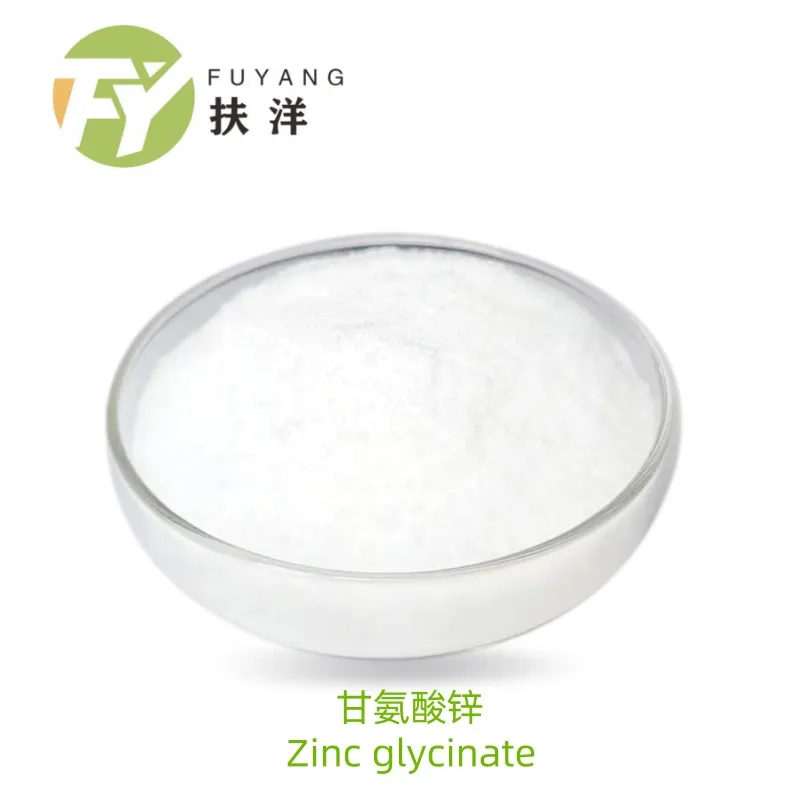
Zinc Glycinate is a premium organic zinc compound produced through the chelation of zinc with glycine, a vital amino acid. This advanced molecular structure ensures exceptional bioavailability and minimal gastrointestinal irritation, making it a superior choice for nutritional supplementation and therapeutic applications across the food, health, and feed industries.
By protecting zinc ions from degradation by gastric acid, Zinc Glycinate significantly enhances intestinal absorption rates—approximately 20-30% higher than traditional zinc sulfate. This high-efficiency delivery system supports over 300 enzymatic activities, promoting immune resilience, accelerated tissue repair, and optimal metabolic function.
Detailed Parameters
| CAS No | 7214-08-6 | Molecular Formula | C4H8N2O4Zn |
|---|---|---|---|
| Molecular Weight | 213.51 | EINECS NO. | 805-657-4 |
| Chemical Type | Chelated Amino Acid | Zinc Source | Organic Zinc |
| Packaging | 25KG/Drum or 25kg/Bag | Absorption Rate | High Bioavailability |
| GI Irritation | Low / Gentle | Purity Level | Industrial/Feed Grade |
Key Advantages
Immune Reinforcement
Promotes T-cell differentiation and antibody production, effectively reducing the frequency and duration of respiratory infections.
Rapid Wound Healing
Critical for collagen synthesis, speeding up the repair of skin and mucosal membranes after surgery or burns.
Skin Health Optimization
Regulates sebum production to alleviate acne and utilizes anti-inflammatory properties to mitigate eczema symptoms.
Reproductive Support
Enhances sperm motility and testosterone in men, while regulating menstrual cycles and hormone balance in women.
Cognitive Protection
Participates in neurotransmitter metabolism (Glutamate/GABA) to help delay cognitive decline and support brain health.
Antioxidant Defense
Acts as a cofactor for Superoxide Dismutase (SOD), scavenging free radicals and slowing cellular aging.
Product Gallery
Management Platforms
Supply Chain Stability
Ensuring consistent bulk availability of high-purity Zinc Glycinate for global manufacturing needs.
Quality Control
Strict adherence to chelation standards to guarantee maximum bioavailability and product stability.
Bioavailability Monitoring
Continuous optimization of molecular structures to ensure superior absorption compared to inorganic salts.
Regulatory Compliance
Meeting international standards for feed additives and nutritional supplements for seamless export.
Custom Packaging
Flexible packaging options (20kg/25kg drums) designed to maintain product integrity during transit.
Technical Support
Professional guidance on dosage and formulation to prevent copper deficiency and maximize efficacy.
Investment Return Comparison
| Zinc Type | Absorption Rate | GI Irritation |
|---|---|---|
| Zinc Glycinate | ★★★★☆ (Highest) | Low |
| Zinc Sulfate | ★★☆☆☆ (Low) | High |
| Zinc Gluconate | ★★★☆☆ (Moderate) | Moderate |
| Zinc Citrate | ★★★★☆ (High) | Low |
| Inorganic Salts | ★★☆☆☆ (Low) | High |
Frequently Asked Questions
Zinc Glycinate is a chelated compound, meaning the zinc is bonded to glycine. This protects the mineral from reacting with other nutrients and prevents gastric acid degradation, resulting in 20-30% higher absorption and significantly lower stomach irritation compared to Zinc Sulfate.
Yes, due to its high bioavailability and safety profile, it is widely used in animal breeding to improve growth and immunity, as well as in human health products for skin, immune, and reproductive support.
Long-term high-dose zinc supplementation may lead to copper deficiency. It is recommended to monitor copper levels or pair with copper supplements. Additionally, avoid concurrent administration with calcium or iron to prevent absorption interference.
It promotes the differentiation of T-cells and boosts antibody production. Clinical evidence suggests it can shorten the duration of common colds and is essential for individuals with compromised immune systems.
The product is typically supplied in 20kg or 25kg drums or bags. It should be stored in a cool, dry place away from incompatible substances to maintain its chemical stability and potency.
It is particularly beneficial for vegetarians, pregnant/lactating women, elderly individuals, and those recovering from surgery or suffering from acne and chronic zinc loss due to diabetes or kidney disease.