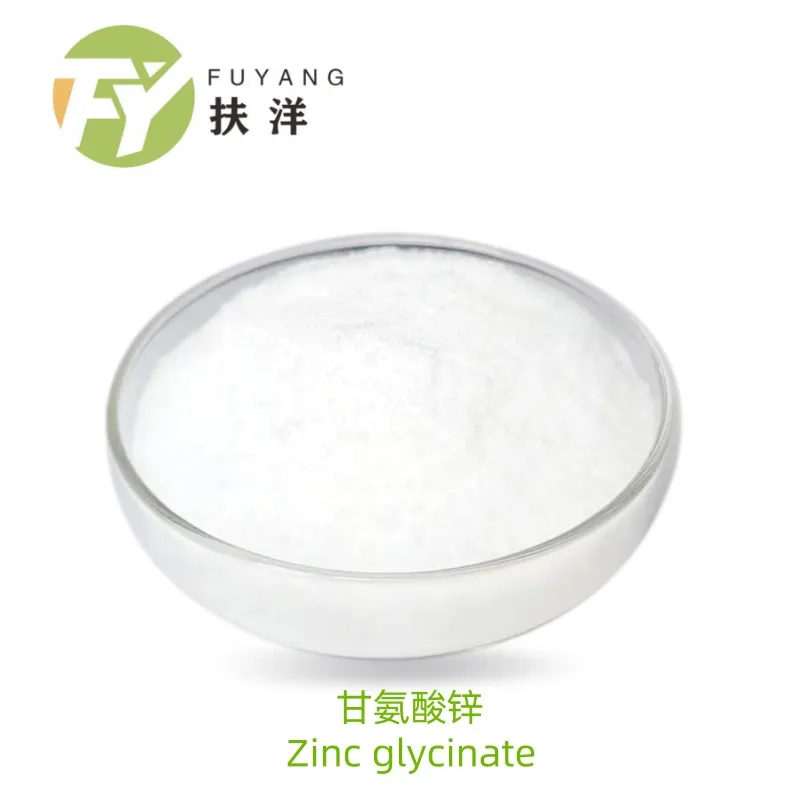
Zinc Glycinate is a premium organic zinc compound produced through the precise chelation of zinc with glycine, a vital amino acid. Engineered for superior bioavailability, this chelated form protects zinc ions from degradation by gastric acids, ensuring a significantly higher absorption rate in the intestines compared to inorganic salts, making it an ideal choice for high-performance nutritional supplements.
By combining the essential trace mineral zinc with the immune-supporting properties of glycine, this product provides a synergistic effect that promotes cellular health, immune modulation, and protein synthesis. Whether used in animal feed additives or human health supplements, Zinc Glycinate offers a gentle, non-irritating solution for correcting zinc deficiencies and enhancing overall physiological function.
Detailed Parameters
| CAS No | 7214-08-6 | Molecular Formula | C4H8N2O4Zn |
|---|---|---|---|
| Molecular Weight | 213.51 | EINECS NO. | 805-657-4 |
| Chemical Nature | Chelated Amino Acid | Primary Function | Zinc Supplementation |
| Package Option 1 | 25KG/Drum | Package Option 2 | 25KG/Bag |
| Solubility | High Bioavailability | Purity Grade | Industrial/Feed/Food Grade |
Key Advantages
Immune Support
Promotes T-cell differentiation and antibody production to reduce infection frequency and shorten recovery duration.
Rapid Healing
Critical for collagen synthesis, accelerating the repair of skin and mucosal tissues after injury or surgery.
Superior Absorption
Chelated structure increases intestinal absorption by 20-30% compared to traditional zinc sulfate.
GI Friendly
Low gastrointestinal irritation, making it suitable for sensitive individuals and long-term supplementation.
Skin Health
Regulates sebum production and provides anti-inflammatory benefits to alleviate acne and dermatitis.
Cognitive Care
Participates in neurotransmitter metabolism to support brain function and protect against cognitive decline.
Product Gallery
Management Platforms
Quality Control
Strict adherence to chemical purity standards and batch-to-batch consistency monitoring.
Advanced Synthesis
Utilizing professional chelation technology to ensure stable amino acid-mineral bonding.
Supply Chain Stability
Reliable raw material sourcing to ensure uninterrupted global delivery of feed additives.
Compliance Management
Meeting international regulatory requirements for biochemical products and additives.
Logistics Efficiency
Optimized packaging in 25kg drums/bags for safe transport and easy warehouse handling.
R&D Innovation
Continuous improvement of bioavailability to enhance the efficacy of agricultural and feed products.
Investment Return Comparison
| Zinc Type | Absorption Rate | GI Irritation |
|---|---|---|
| Zinc Glycinate | Very High (★★★★☆) | Low |
| Zinc Sulfate | Low (★★☆☆☆) | High |
| Zinc Gluconate | Moderate (★★★☆☆) | Moderate |
| Zinc Citrate | High (★★★★☆) | Low |
| Inorganic Zinc | Poor (★☆☆☆☆) | Moderate-High |
Frequently Asked Questions
Zinc Glycinate is a chelated form, meaning the zinc is bonded to glycine. This prevents it from reacting with other nutrients in the gut, resulting in 20-30% higher absorption and significantly lower gastrointestinal irritation compared to Zinc Sulfate.
The general upper limit for adults is 40mg per day. Long-term excessive intake may lead to copper deficiency, so it is recommended to pair with copper supplements if using high doses over an extended period.
It is advised to avoid concurrent use. High doses of calcium and iron can compete for the same absorption pathways. We recommend spacing these supplements by at least 2 hours.
In men, it helps boost sperm motility and testosterone levels. In women, it assists in regulating menstrual cycles and managing hormone imbalances associated with PCOS.
High-risk groups include vegetarians, pregnant/lactating women, the elderly, and individuals with chronic conditions like diabetes or kidney disease where zinc loss is increased.
Yes, Zinc Glycinate reduces sebum overproduction and possesses anti-inflammatory properties, which helps alleviate acne, eczema, and dermatitis symptoms.