
Understanding Magnesium Glycinate Mg Per Day
Magnesium is an essential mineral involved in over 300 bodily functions, and magnesium glycinate is a highly absorbable form often recommended to address deficiencies. Determining the right magnesium glycinate mg per day dosage depends on individual needs, health status, and dietary intake. This article explores the recommended daily allowances, factors influencing dosage, potential benefits, and safety considerations. Understanding these aspects is crucial for maximizing the health benefits of this valuable supplement.
Recommended Daily Allowance (RDA) of Magnesium
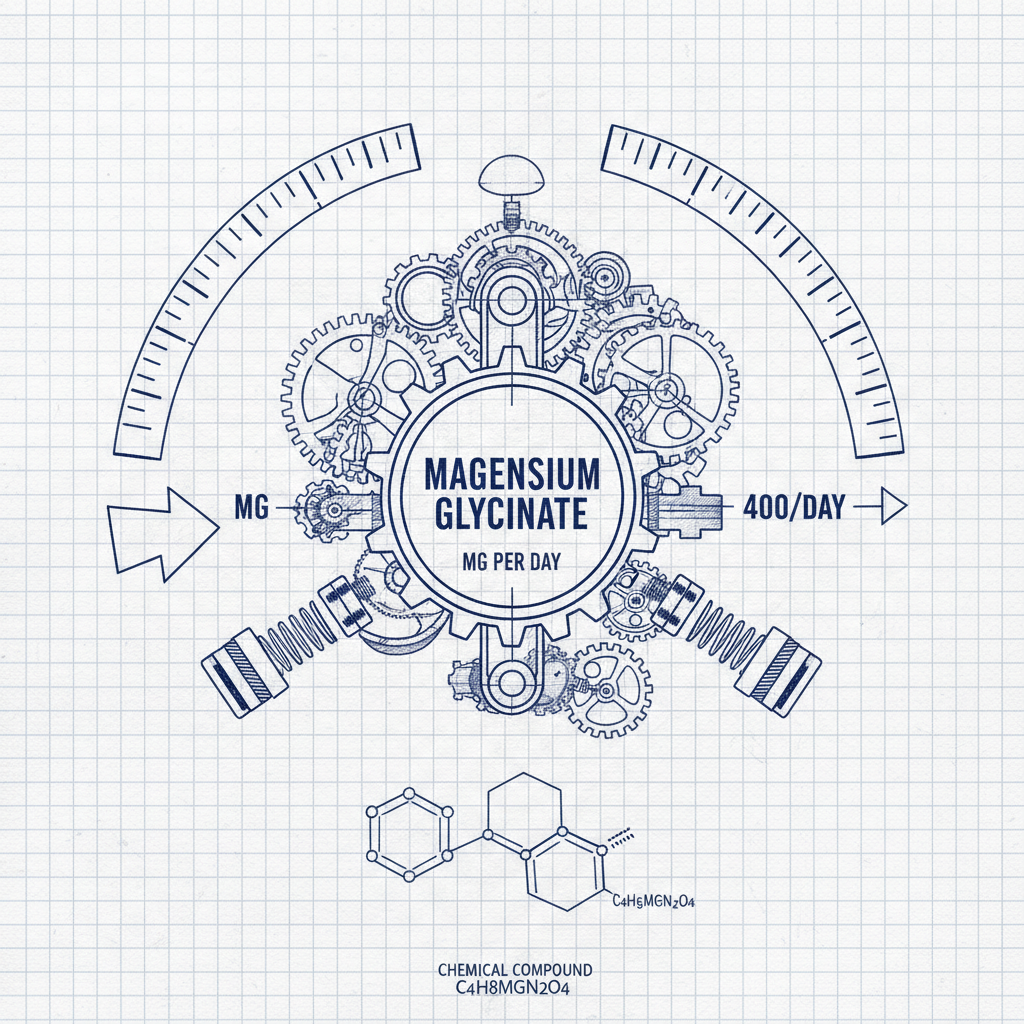
The Recommended Dietary Allowance (RDA) for magnesium varies based on age and gender. However, the general recommendation for adults is between 310-420 mg per day. This RDA is a baseline, and many individuals may require higher doses to achieve optimal magnesium levels, particularly if they have underlying health conditions or dietary restrictions. Magnesium glycinate offers a gentler option compared to other forms like magnesium oxide, as it's less likely to cause digestive upset. It’s important to note that the RDA represents the minimum amount needed to prevent deficiency, not necessarily the optimal amount for overall health and well-being.
Key Highlights: Magnesium glycinate is a gentle and highly bioavailable form of magnesium. The RDA is 310-420mg, but individual needs may vary.
Factors Influencing Your Ideal Magnesium Glycinate Dosage
Several factors can increase your magnesium needs and, therefore, the optimal magnesium glycinate mg per day dosage. These include: high stress levels, intense physical activity, digestive disorders (like Crohn’s disease or IBS), type 2 diabetes, kidney problems, and certain medications (such as diuretics). Chronic stress depletes magnesium levels, while exercise increases the demand for this mineral. Individuals with gut issues may have impaired absorption of magnesium from food, making supplementation more crucial.
Factors Increasing Magnesium Needs:
• High stress levels
• Intense physical activity
• Digestive disorders
• Certain medications
Magnesium Glycinate: Dosage Recommendations for Specific Conditions
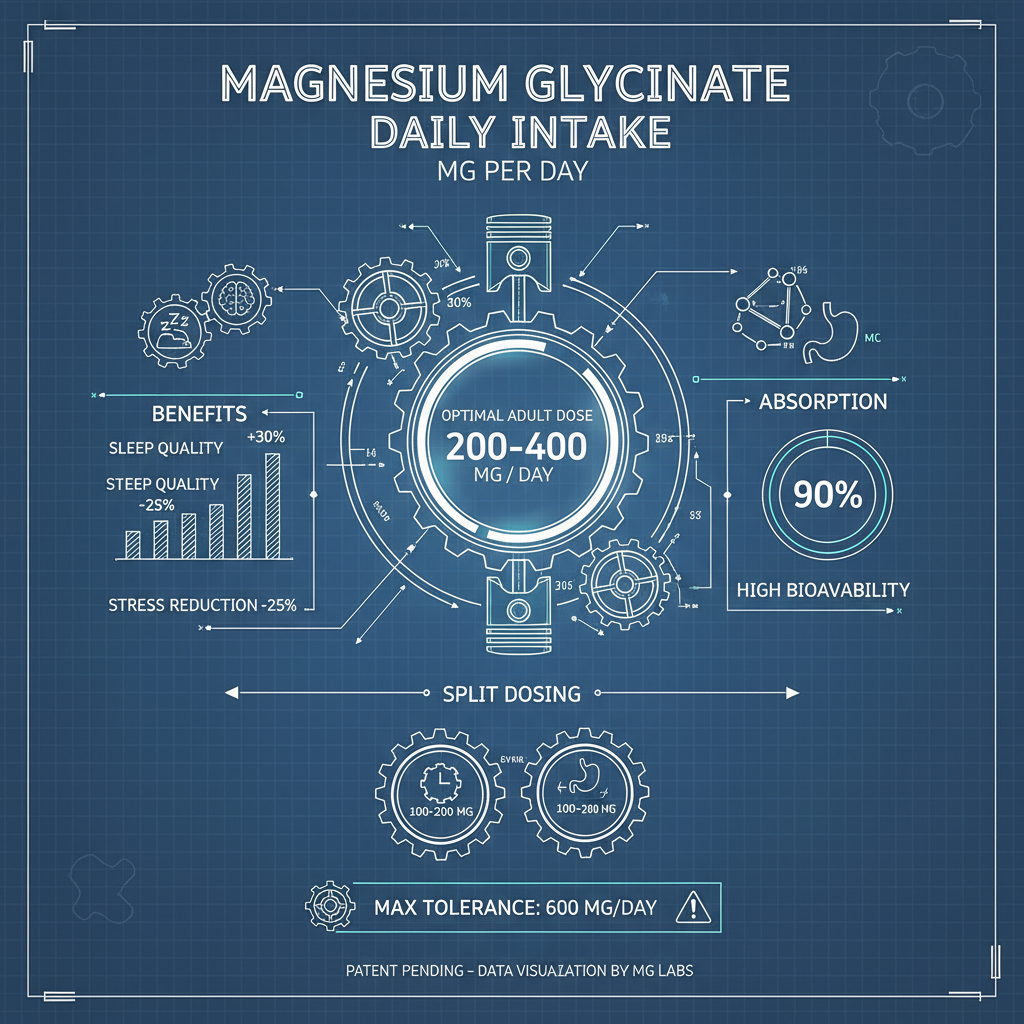
While the RDA provides a general guideline, specific health conditions may necessitate a tailored dosage of magnesium glycinate mg per day. For example, individuals experiencing anxiety or insomnia may benefit from 200-400 mg before bedtime due to magnesium’s calming effects. Those with migraines often find relief with 400-600 mg daily. People with muscle cramps might try 200-300 mg. However, it’s vital to consult a healthcare professional to determine the appropriate dosage for your specific situation.
Potential Benefits of Adequate Magnesium Intake
Maintaining optimal magnesium levels offers a wide array of health benefits. These include improved sleep quality, reduced anxiety and depression, enhanced muscle function, better bone health, and improved blood sugar control. Magnesium also plays a crucial role in energy production and protein synthesis. By ensuring sufficient intake of magnesium glycinate, you can support overall health and well-being.
Safety Considerations and Potential Side Effects
Magnesium glycinate is generally considered safe for most people when taken as directed. However, high doses can cause digestive upset, including diarrhea, nausea, and stomach cramps. Individuals with kidney problems should exercise caution and consult a healthcare professional before taking magnesium supplements. It’s also important to be aware of potential interactions with certain medications. Start with a low dose and gradually increase it as tolerated.
Conclusion: Finding Your Optimal Magnesium Glycinate Dosage
Determining the appropriate magnesium glycinate mg per day dosage is a personalized process. By considering your individual needs, health status, and dietary intake, and consulting with a healthcare professional, you can optimize your magnesium levels and experience the numerous health benefits this essential mineral offers. Don’t hesitate to seek guidance to ensure safe and effective supplementation.
Frequently Asked Questions (FAQs)
What are the signs of magnesium deficiency?
Magnesium deficiency, also known as hypomagnesemia, can manifest in a variety of symptoms. Common signs include muscle cramps, fatigue, weakness, irregular heartbeat, nausea, loss of appetite, and even numbness or tingling in the extremities. In severe cases, deficiency can lead to more serious issues like seizures or personality changes. It's important to note that these symptoms can also be indicative of other health conditions, so it's crucial to consult a doctor for proper diagnosis and treatment. Dietary intake, lifestyle factors, and underlying health issues can all contribute to magnesium deficiency.
Can I get enough magnesium through diet alone?
While it’s possible to obtain magnesium through diet, many people don't consume enough magnesium-rich foods regularly. Good sources include leafy green vegetables (spinach, kale), nuts and seeds (almonds, pumpkin seeds), legumes (black beans, lentils), whole grains, and dark chocolate. However, soil depletion and modern farming practices can reduce the magnesium content of foods. Supplementation with magnesium glycinate can help bridge the gap, especially for individuals with increased needs or absorption issues.
Is magnesium glycinate better than magnesium oxide?
Yes, magnesium glycinate is generally considered superior to magnesium oxide in terms of bioavailability and tolerability. Magnesium oxide has a low absorption rate, meaning the body doesn’t readily absorb it, and it often causes digestive side effects like diarrhea. Magnesium glycinate, on the other hand, is chelated with glycine, an amino acid that enhances absorption and has calming properties. This makes it gentler on the stomach and more effective for raising magnesium levels. If you’re looking to supplement with magnesium, magnesium glycinate is often the preferred choice.
When is the best time to take magnesium glycinate?
The best time to take magnesium glycinate depends on your individual goals. If you’re taking it to improve sleep or reduce anxiety, taking it before bedtime is ideal due to its calming effects. If you experience digestive upset, taking it with food may help. You can also split the dose throughout the day to maintain consistent magnesium levels. Consistency is key; aim to take it around the same time each day for optimal results.