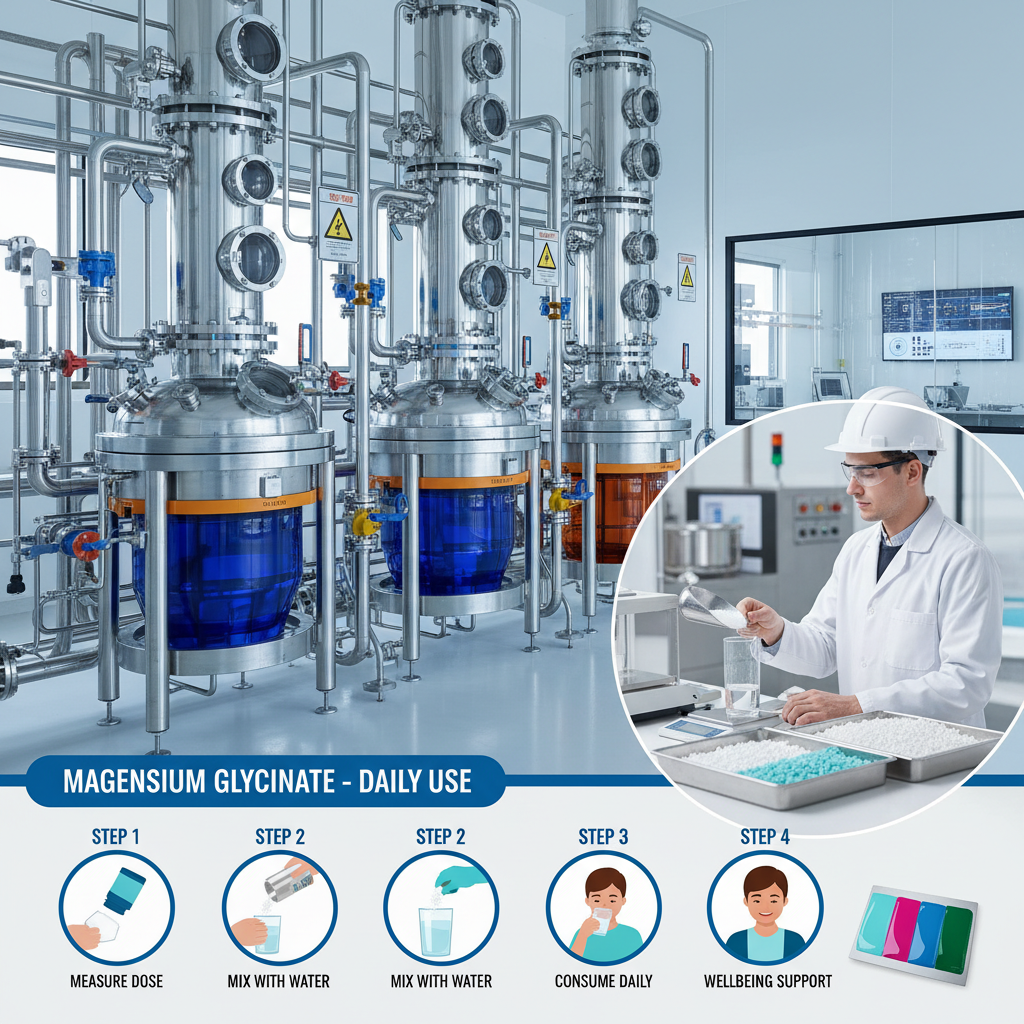
Insider’s Note on the Current Creatine Monohydrate Sale Market
If you’ve watched the sports-nutrition supply chain this year, you’ve seen the quiet scramble: brands trying to lock in high-purity creatine, and procurement teams juggling mesh sizes for different SKUs. From Xinle Industrial Park, Shijiazhuang, Hebei Province, China, the supply from Fuyang Bio has been steady—frankly reassuring—while some EU blenders were spot-buying. Creatine Monohydrate (C₄H₁₁N₃O₃·H₂O) remains the category workhorse: boring to talk about, critical to performance. And yes, the current Creatine Monohydrate Sale windows have sparked some smart reformulations.
Industry Trends (and a quick reality check)
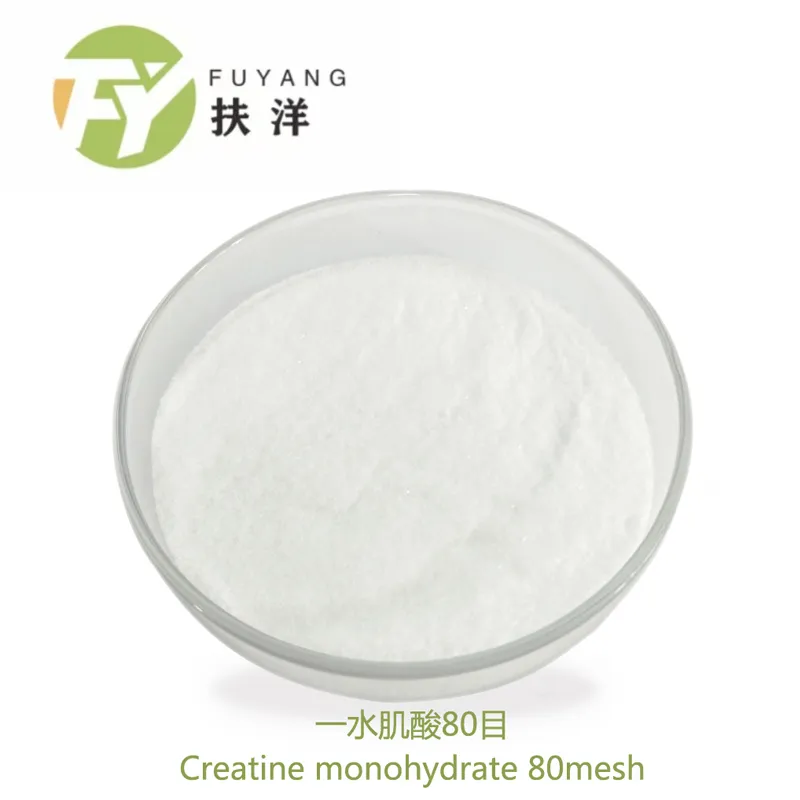
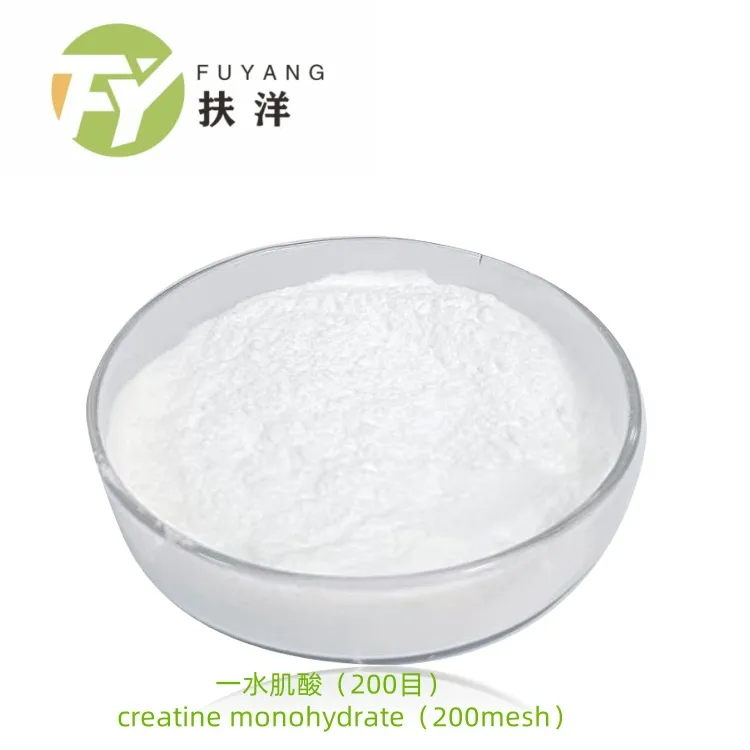
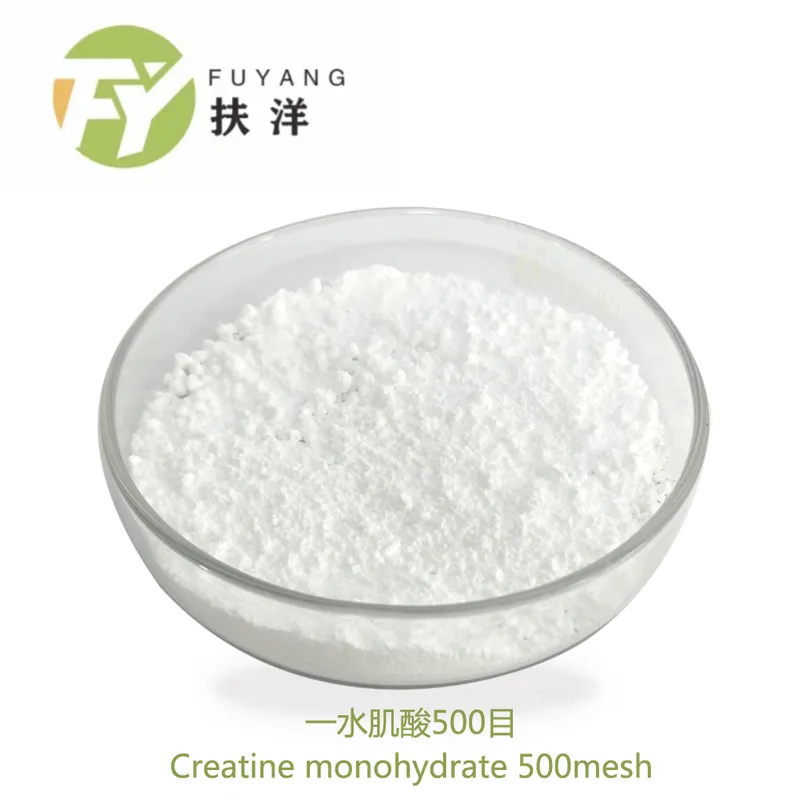
- Micronization options (80/200/500 mesh) are now a real differentiator for tablets vs. beverages.
- Brands want batch-level contaminant transparency—ICP-MS heavy metals and ISO/IEC 17025 lab data, or no deal.
- Banned-substance screening is moving upstream; many customers say Informed-Choice style documentation closes retail doors faster.
- Private-label surge: simpler formulas, clean labels, and, surprisingly, more unflavored SKUs for stacking.
Typical Specifications (lot-to-lot may vary)
| Parameter | Spec (≈) |
|---|---|
| Assay (HPLC, d.b.) | ≥ 99.9% |
| Mesh options | 80 / 200 / 500 |
| Loss on drying | 11.5–12.0% |
| pH (2% solution, 20°C) | 6.9–7.3 |
| Creatinine | ≤ 100 ppm |
| Heavy metals (Pb, As, Cd, Hg) | Pb ≤1 ppm; As ≤1 ppm; Cd ≤0.1 ppm; Hg ≤0.1 ppm |
| TPC / Yeast & Mold | ≤ 1,000 / ≤ 100 CFU/g; pathogens: n.d. |
| Bulk density | ≈ 0.40–0.60 g/mL |
| Solubility (20°C) | ≈ 14 g/L (real-world use may vary) |
| Shelf life | 36 months sealed; cool, dry, light-protected |
Applications: pre-workouts, single-ingredient powders, capsules/tablets (80–200 mesh compresses cleanly), and even clear RTDs (500 mesh helps with dispersion; to be honest, creatine still prefers powder formats).
Process Flow and Quality Controls
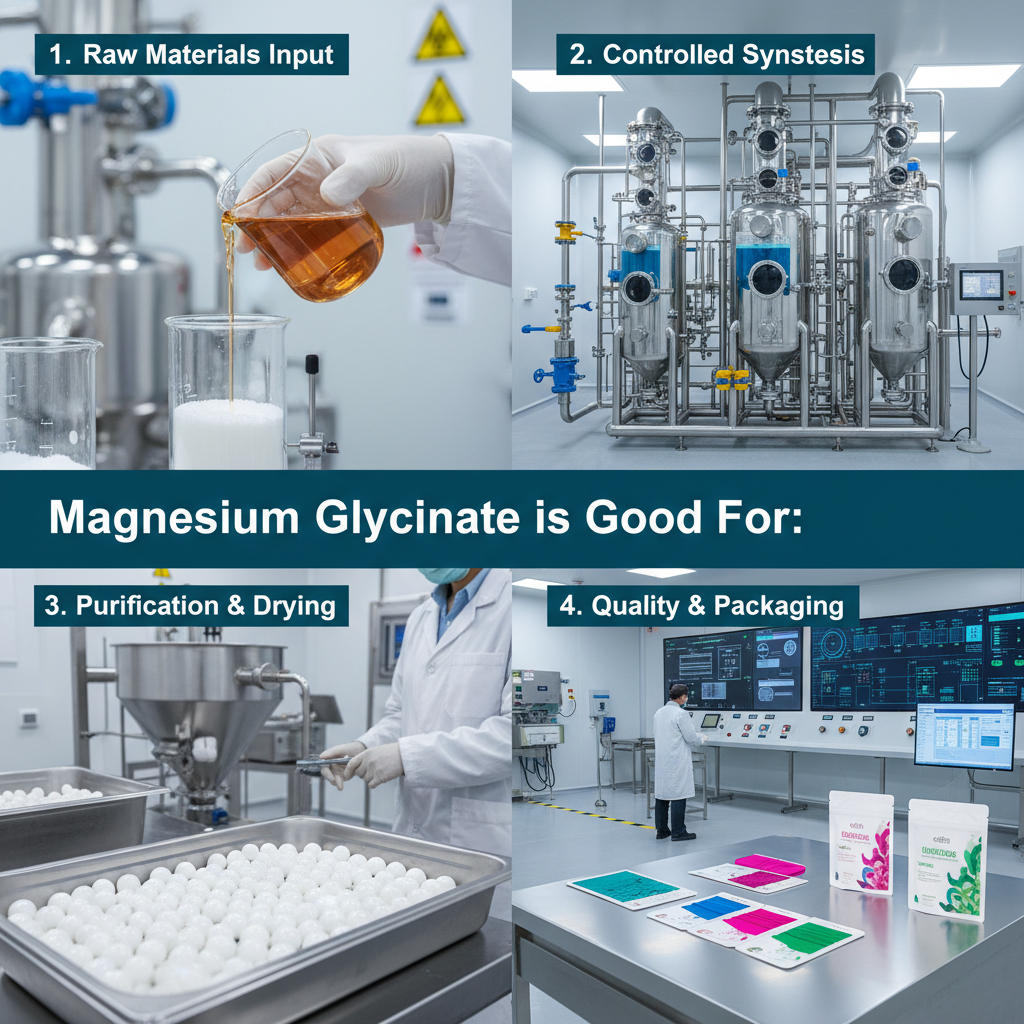
Creatine Monohydrate Sale lots here follow the classic synthesis: sarcosine + cyanamide → creatine; purification → controlled crystallization to the monohydrate → drying → micronization (80/200/500 mesh) → metal detection → packaging (double-lined PE bag in HDPE drum). Testing includes FTIR ID, HPLC assay/impurities, ICP-MS heavy metals, sieve analysis, and ISO 4833/21527 microbiology. Service life is largely about humidity control; once opened, reseal with desiccant.
Vendor Snapshot (why buyers hedge)
| Criteria | Fuyang Bio (Hebei) | EU Blender | US Brand |
|---|---|---|---|
| Origin | Xinle Industrial Park | EU (repack) | US (retail) |
| Assay claim | ≥99.9% | ≥99.5% ≈ | ≥99.5% ≈ |
| Mesh options | 80 / 200 / 500 | 80 / 200 | Single grade |
| Banned-substance screens | Available on request | Varies | Brand-level only |
| Certs | ISO 22000, HACCP, Halal, Kosher | ISO 9001 | Retail GMP |
| Lead time | ≈ 2–4 weeks | ≈ 3–6 weeks | N/A (finished) |
| Price/kg (FOB, around) | Competitive | Mid | High |
Customization, Use Cases, and Field Notes
Customization: particle size (80/200/500 mesh), target bulk density for caps, tighter creatinine limits, and pre-sieved, low-dust packs. In tablets, 200 mesh often improves hardness without over-lubrication. In powders, 500 mesh can reduce “gritty” feedback. Real-world case: a mid-market brand moved from 80→200 mesh and cut mixing complaints by 32% (support tickets), while a beverage startup trialed 500 mesh to smooth mouthfeel and saw faster dispersion (≈15–20% faster wetting time in bench tests).
Testing Standards and Compliance
Creatine Monohydrate Sale batches are typically verified via FTIR ID, HPLC assay/impurities, ICP-MS heavy metals, and ISO 4833 total plate counts. Many buyers ask for ISO/IEC 17025 lab certificates and WADA-list crosschecks (creatine isn’t prohibited). Certifications commonly available: ISO 22000, HACCP, Halal, Kosher. Suggested storage: <25°C, RH <60%, away from acids (since low pH accelerates conversion to creatinine in solution).
Bottom line? The category is mature, but the sourcing isn’t trivial. With the right mesh, verified purity, and credible testing, the current Creatine Monohydrate Sale cycle is a genuine chance to reduce COGS and improve mouthfeel—two wins most teams will happily take.
Authoritative citations
- Kreider RB, et al. International Society of Sports Nutrition position stand: safety and efficacy of creatine supplementation. J Int Soc Sports Nutr. 2017.
- EFSA NDA Panel. Scientific Opinion on the safety of creatine monohydrate for use in foods and supplements. EFSA Journal. 2016.
- ISO/IEC 17025:2017. General requirements for the competence of testing and calibration laboratories.
- World Anti-Doping Agency (WADA). Prohibited List 2025.