The global demand for high-quality nutritional additives has led to a significant increase in the focus on specialized amino acids for food and feed applications. These compounds serve as the fundamental building blocks of proteins, ensuring that livestock and pets receive the precise biological tools necessary for growth, tissue repair, and metabolic efficiency. Understanding the synergy between mineral chelation and amino acid delivery is essential for optimizing animal health on a commercial scale.
In the modern industrial landscape, the challenge lies in bioavailability. Traditional mineral supplements often suffer from low absorption rates or adverse interactions within the digestive tract, which can lead to nutrient waste and environmental runoff. By leveraging the properties of amino acids for food and animal nutrition, manufacturers can create chelated minerals, such as ferrous glycinate, which bypass these hurdles and provide a more stable, absorbable nutrient source.
Integrating advanced amino acids for food and feed allows producers to target specific physiological needs, such as preventing iron-deficiency anemia in piglets or improving eggshell quality in poultry. This precision nutrition approach not only enhances animal welfare but also drives the economic viability of the livestock industry by reducing mortality and improving growth rates.
Global Relevance of Amino Acids in Nutrition
On a global scale, the optimization of protein synthesis is a critical pillar of food security. According to standards aligned with ISO and global agricultural benchmarks, the precise delivery of essential amino acids is the only way to ensure that livestock can convert feed into lean muscle efficiently. This is particularly vital in regions with fluctuating grain quality, where amino acids for food and feed act as a stabilizing force in animal diets.
The industry is currently shifting away from bulk supplementation toward "precision nutrition." By focusing on the specific biochemical needs of different species—such as the high iron requirements of neonatal mammals—manufacturers are reducing the environmental footprint of farming. This shift ensures that nutrients are absorbed by the animal rather than excreted into the soil and water systems.
Defining Bioavailable Amino Acid Complexes
In simple terms, amino acids for food and nutritional applications are the organic building blocks that form proteins. When these amino acids are bonded with minerals (chelation), they create a complex that the body recognizes as an organic molecule rather than a foreign inorganic salt. This allows the nutrient to be absorbed through amino acid transport pathways in the gut, significantly increasing bioavailability.
This technological advancement addresses a fundamental humanitarian and industrial need: the eradication of nutritional deficiencies in food-producing animals. For example, iron-deficiency anemia in piglets can lead to stunted growth and high mortality rates. Chelated amino acid complexes provide a rapid, safe, and effective way to restore hemoglobin levels without the gastrointestinal irritation common in inorganic iron salts.
Modern industry now views these complexes not just as additives, but as biological catalysts. By ensuring that the "delivery vehicle" (the amino acid) is compatible with the animal's physiology, the industry can maintain higher production standards while adhering to stricter animal welfare guidelines across international markets.
Core Components of Chelated Nutrition
The efficacy of amino acids for food and feed depends on several core factors, primarily the stability of the chelate bond. A strong bond ensures that the mineral remains protected from antagonists in the digestive tract, such as phytates or oxalates, which typically bind to minerals and render them useless to the animal.
Another critical component is the specificity of the amino acid used. For instance, glycine is frequently used because of its small molecular size and high compatibility with various metabolic pathways. When used in amino acids for food and feed formulations, glycine-based chelates often show superior absorption rates across diverse species, from poultry to mammals.
Finally, the purity and solubility of the final product determine its scalability in commercial feed mills. High-solubility amino acids for food applications allow for uniform mixing in premixes, ensuring that every animal receives a consistent dosage, which is vital for preventing both deficiency and toxicity in sensitive populations.
Practical Application Metrics
The implementation of amino acids for food and feed is measured by tangible performance indicators. In piglets, the primary metric is the reduction of anemia and the increase in weaning weight. In poultry, the focus shifts to eggshell thickness and yolk quality, where balanced iron and amino acid levels prevent structural failures in the shell.
Evaluating these additives requires a look at the absorption efficiency compared to traditional methods. By utilizing chelated forms, producers observe a marked increase in iron reserves in pregnant and lactating animals, which in turn improves the health of the offspring.
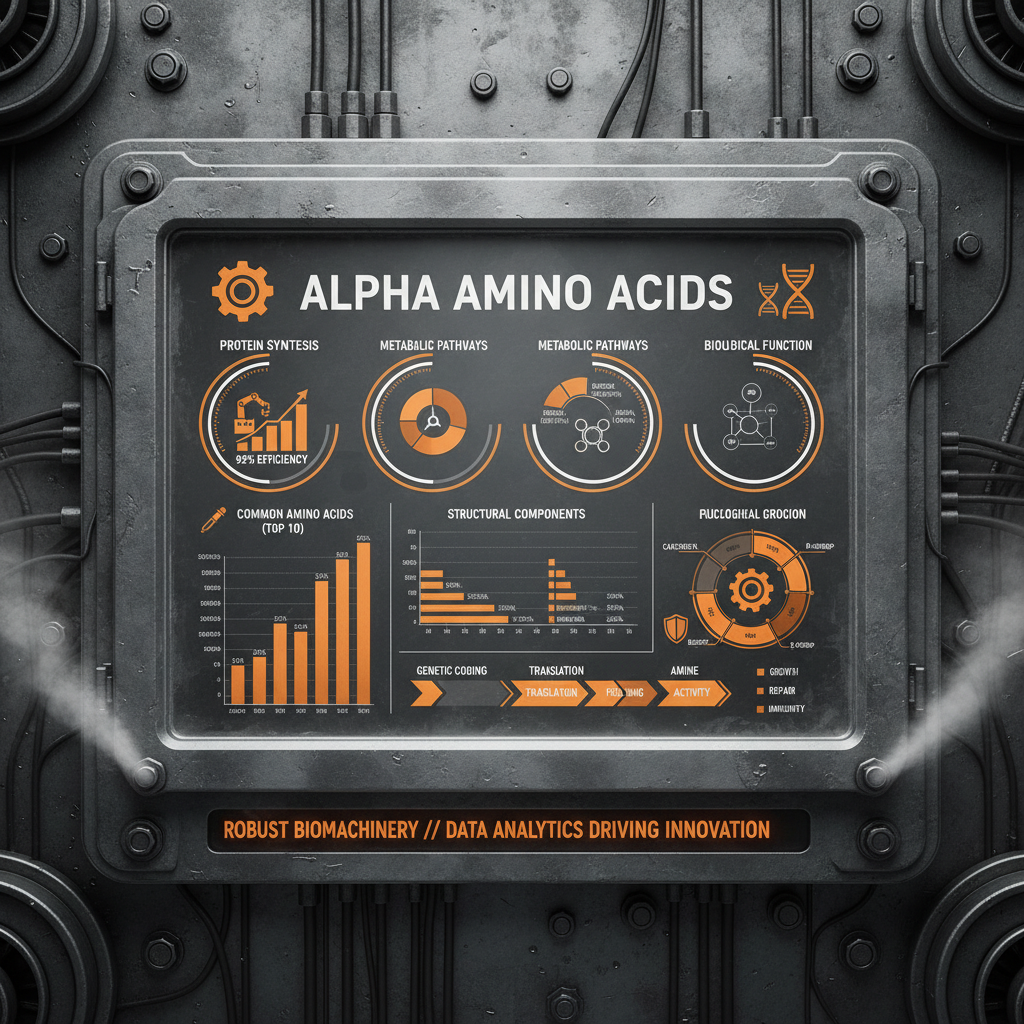
Efficiency Analysis of Amino Acids for Food & Feed Delivery
Species-Specific Use Cases
The application of amino acids for food and feed varies wildly across species. In mammals, such as pigs and cattle, iron-amino acid chelates are indispensable for hemoglobin synthesis. For 3-7 day old piglets, these supplements are the primary defense against iron-deficiency anemia, ensuring a strong start to their growth cycle.
In the aquatic sector, specifically for shrimp and crustaceans, these complexes aid in the molting process. However, precision is key here; excess iron can trigger algae blooms and degrade water quality. Therefore, the use of amino acids for food and feed in aquaculture requires strict dosage limits to balance animal health with environmental stability.
Long-Term Value and Sustainability
The long-term value of adopting advanced amino acids for food and feed lies in the intersection of economic profit and ethical farming. By increasing the bioavailability of nutrients, farmers can reduce the total amount of minerals added to the feed. This directly lowers the cost of raw materials while simultaneously reducing the amount of heavy metals leaked into the environment.
Beyond the balance sheet, there is a significant emotional and social impact. Improved animal welfare—characterized by the absence of anemia and stress-related deficiencies—builds consumer trust. As global markets demand more transparent and "clean" food chains, the use of high-purity amino acid complexes becomes a badge of quality and innovation.
Furthermore, the reliability of these products ensures stability in food production. When animals are resilient to common nutritional deficiencies, the risk of mass mortality events decreases, securing the supply chain for essential proteins and ensuring that the food reaching the consumer is of the highest nutritional density.
Future Innovations in Nutritional Synthesis
The future of amino acids for food and feed is leaning heavily toward digital transformation and biotechnology. We are seeing the rise of "smart feeds," where amino acid profiles are adjusted in real-time based on the animal's age and physiological state, utilizing AI to optimize the ratio of chelated minerals to organic proteins.
Sustainability is driving the development of green synthesis methods. Future production of amino acids for food will likely rely more on fermentation and enzymatic processes rather than traditional chemical synthesis, reducing the carbon footprint of the manufacturing process and aligning with global "Green Deal" policies.
Additionally, there is ongoing research into the synergy between amino acids and probiotics. By combining chelated minerals with beneficial bacteria, the industry aims to create a "super-absorbent" gut environment, further reducing waste and maximizing the genetic potential of livestock.
Species-Specific Applicability of Amino Acid Iron Complexes
| Target Species |
Primary Benefit |
Critical Precaution |
Recommended Dosage Level |
| Piglets (3-7 days) |
Anemia Prevention |
Timing of Supplement |
High Priority |
| Laying Hens |
Eggshell Quality |
Yolk Color Darkening |
Moderate |
| Ruminants |
General Health |
Rumen Degradation |
Combine with Coated Iron |
| Shrimp/Crustaceans |
Molting Support |
Water Algae Proliferation |
Strictly Limited |
| Pets (Dogs/Cats) |
Recovery from Anemia |
Veterinary Guidance |
Case-by-Case |
| Adult Herbivores |
Maintenance |
Iron-rich forage overlap |
Low to None |
FAQS
Amino acid chelates are superior because they are absorbed through organic pathways in the gut, whereas inorganic salts often bind with other nutrients (like phytates) and are excreted. This leads to higher bioavailability, reduced gastrointestinal irritation, and a lower environmental impact due to reduced mineral runoff.
Yes, specifically in laying hens. While iron is necessary for health and eggshell quality, excessive amounts can lead to the darkening of the egg yolk. This may cause the eggs to fall outside of market standards for color, so precise dosing is required.
No. Amino acid iron complexes are designed to treat iron-deficiency anemia. Conditions caused by parasites or systemic infections cannot be resolved by supplementation alone; these require veterinary medical intervention to treat the underlying cause.
In ruminants like cattle and sheep, rumen microbes may partially degrade the chelate bond, which can reduce the bioavailability of the iron. To overcome this, it is often recommended to combine chelated amino acids with other protected iron sources, such as coated iron.
Caution is required. Elderly animals or those with hepatorenal impairment (liver or kidney issues) are at a higher risk of iron accumulation toxicity. Supplementation should only be performed under professional veterinary guidance to avoid overdose.
Glycine is preferred due to its simple structure and high compatibility with the biological transport systems of most mammals and birds. Its small size allows the chelate to remain stable yet easily absorbable across the intestinal wall.
Conclusion
The strategic use of amino acids for food and animal nutrition represents a leap forward in agricultural efficiency and animal welfare. By transforming dry mineral parameters into bioavailable chelated complexes, the industry can effectively combat anemia, improve structural growth in poultry, and support the delicate molting processes in aquaculture. The shift toward precision nutrition not only optimizes the health of the animal but also ensures that the global food supply chain is more sustainable and environmentally responsible.
Looking ahead, the integration of biotechnology and AI-driven feeding strategies will further refine the application of these essential compounds. Producers who prioritize high-purity, species-specific amino acid solutions will gain a competitive edge in a market that increasingly values transparency and biological efficiency. To learn more about how our advanced amino acid solutions can transform your production, visit our website: www.hbfuyangbio.com