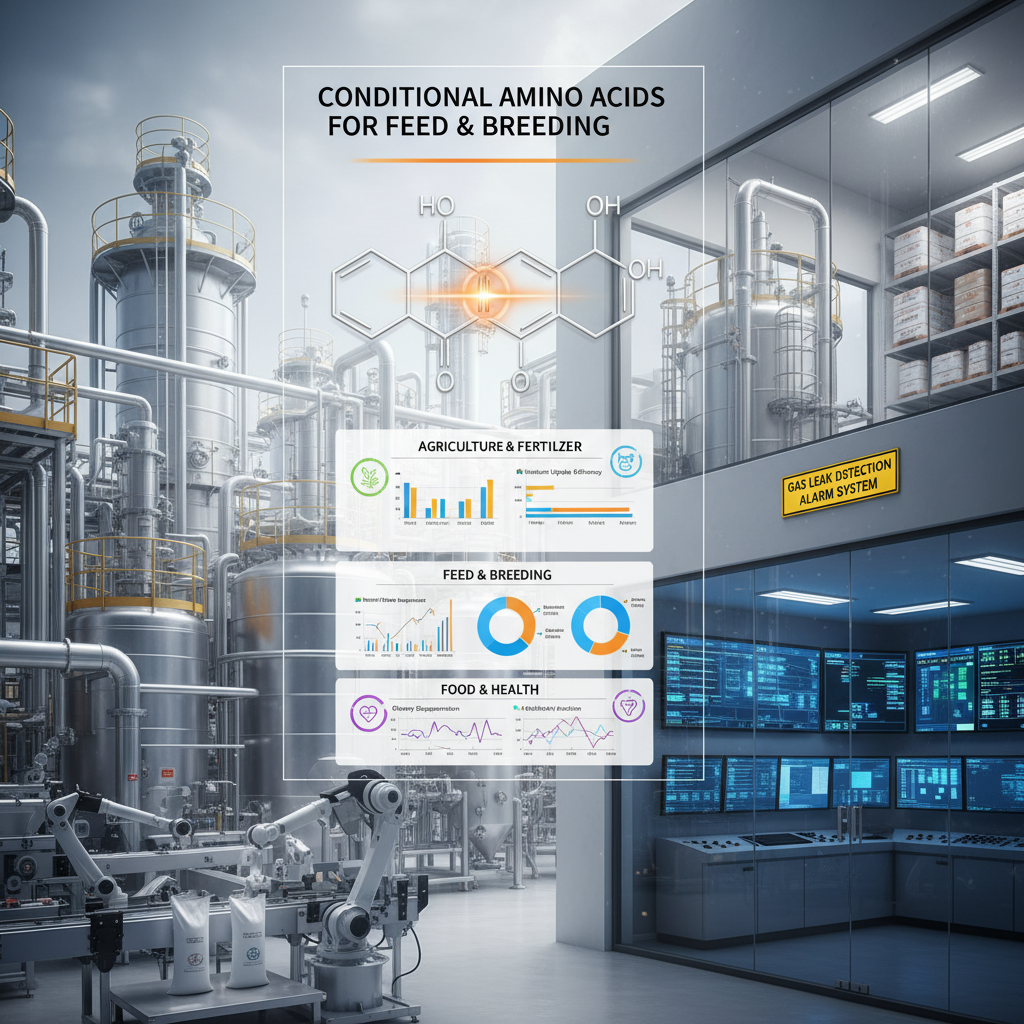
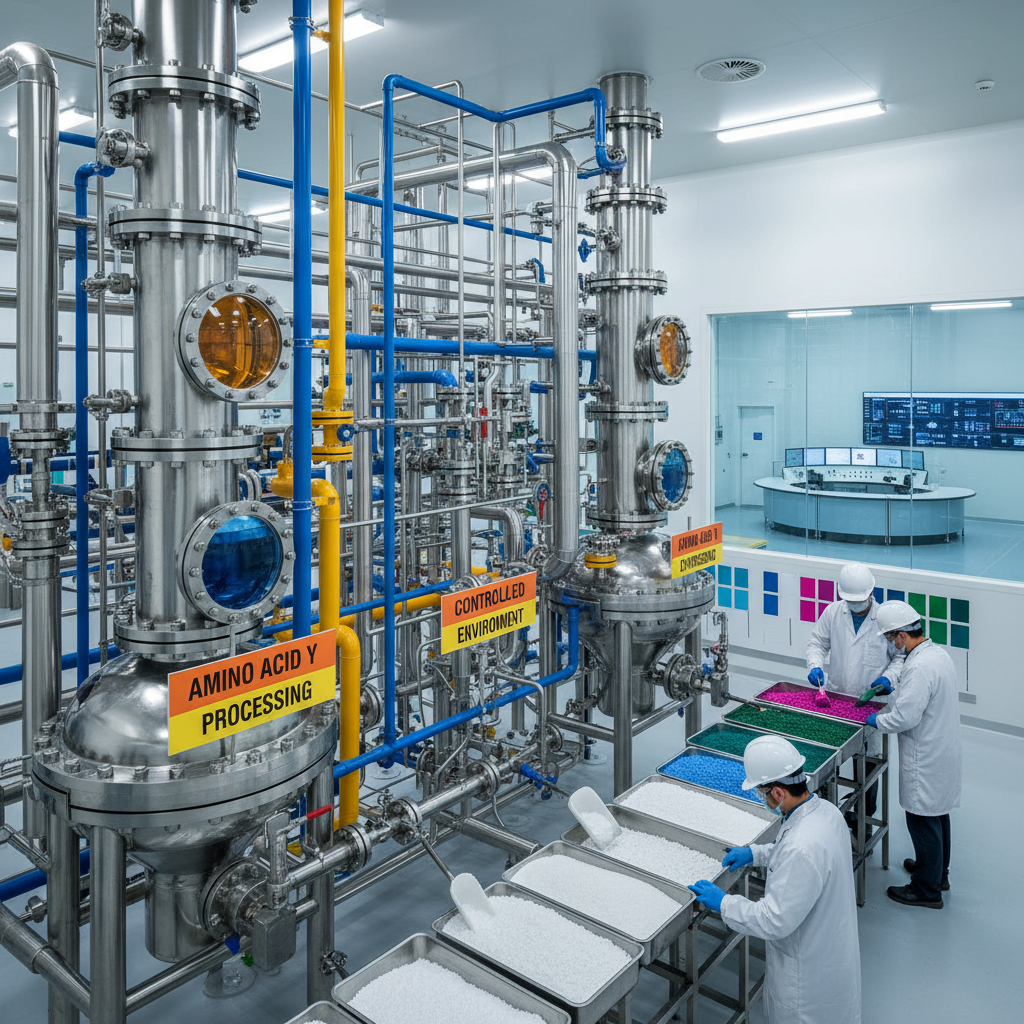
In the complex landscape of modern animal nutrition and biochemical synthesis, the role of a conditional amino acid is often the deciding factor between standard growth and peak biological performance. These unique organic compounds occupy a critical middle ground in nutritional science, remaining non-essential under optimal conditions but becoming indispensable during periods of physiological stress, illness, or rapid growth phases. By understanding the biochemical triggers that shift these amino acids from non-essential to essential, producers can optimize feed formulations to ensure resilience and health in livestock and aquaculture.
Globally, the shift toward precision livestock farming has highlighted the necessity of integrating conditional amino acid supplementation to mitigate the impacts of environmental stressors. As the global demand for high-quality protein rises, the industry is moving away from generic protein mixes toward targeted amino acid profiles that support immune function and metabolic efficiency. This strategic approach not only enhances animal welfare but also significantly reduces the environmental footprint by minimizing nitrogen excretion.
For manufacturers and nutritionists, mastering the application of a conditional amino acid means bridging the gap between basic survival and optimized productivity. Whether it is supporting the gut integrity of weaning piglets or enhancing the recovery of aquaculture species after transport, these compounds provide the metabolic building blocks required for cellular repair and systemic stability. This guide explores the technical dimensions, industrial applications, and future trajectories of these vital nutritional components.
Understanding the Biological Nature of Conditional Amino Acids
A conditional amino acid is defined by its flexibility; unlike essential amino acids that must always be supplied via diet, conditional ones can be synthesized by the body under normal circumstances. However, when the biological demand exceeds the synthesis capacity—often due to systemic inflammation, severe trauma, or rapid growth—they must be provided externally to prevent metabolic collapse.
This physiological shift is a critical mechanism for survival. For instance, during acute stress, the body redirects resources toward the immune system, making the availability of specific conditional amino acids paramount for the production of glutathione and other protective antioxidants, ensuring that the organism can withstand external pressures without compromising growth.
The Global Industrial Context and Demand Drivers
The global market for feed additives is currently witnessing a paradigm shift, driven by the need for "antibiotic-free" production. In this context, the conditional amino acid has emerged as a cornerstone for immune-modulation. Data from international agricultural organizations suggest that precision nutrition can reduce feed waste by up to 15% while simultaneously improving the health markers of livestock, making targeted amino acid supplementation a high-ROI strategy.
Challenges such as climate change and emerging zoonotic diseases have increased the frequency of "stress events" in commercial farming. When animals are exposed to heat stress or high-density living conditions, their internal synthesis of certain amino acids fails to keep pace with the demand for protein synthesis and tissue repair, leading to a "hidden hunger" that traditional feed mixes fail to address.
Consequently, the chemical manufacturing sector is pivoting toward the production of high-purity, bioavailable conditional amino acid complexes. By integrating these into specialized feed lines, producers can maintain consistent growth rates across various environmental conditions, ensuring food security and economic stability in the global protein supply chain.
Core Components and Metabolic Triggers
The efficacy of a conditional amino acid is largely determined by the biological trigger that activates its necessity. These triggers usually include oxidative stress, where the accumulation of free radicals depletes the body's stores of precursors like cysteine and glycine, forcing the organism to rely on dietary intake to maintain cellular homeostasis.
Furthermore, the synergy between different conditional amino acid types is vital. For example, the synthesis of arginine is often compromised in neonatal animals; providing it externally not only promotes growth but also stimulates the release of growth hormones and improves the efficiency of other amino acids in the metabolic pathway.
From a manufacturing perspective, the stability and purity of these compounds are the core components of their value. Ensuring that a conditional amino acid remains stable during the pelleting process—where high heat and pressure are common—is essential for ensuring that the final nutritional delivery matches the formulated intent.
Comparative Efficiency in Feed Applications
When evaluating the impact of different supplementation strategies, it becomes clear that the targeted application of a conditional amino acid outperforms generic protein fortification. By focusing on the specific needs of the animal during stress phases, producers can achieve higher feed conversion ratios (FCR) and reduce the overall cost of raw materials.
The following data represents the performance ratings of various conditional amino acid delivery methods based on absorption rates and cost-efficiency in commercial livestock settings.
Comparative Performance of Conditional Amino Acid Delivery Methods
Global Applications in Breeding and Livestock
In the aquaculture industry of Southeast Asia, the use of conditional amino acid supplements has been instrumental in reducing mortality rates during the larval stage. By providing a steady supply of these compounds, farmers can ensure that shrimp and fish maintain strong immune barriers against waterborne pathogens, which is critical in high-density pond environments.
Similarly, in the intensive swine farming regions of North America and Europe, the integration of these amino acids into weaning diets has significantly reduced the incidence of post-weaning growth lag. The conditional amino acid supports the rapid development of the intestinal mucosa, allowing piglets to transition to solid feed more smoothly and reducing the need for medical intervention.
Long-term Value in Sustainability and Welfare
The transition toward utilizing a conditional amino acid represents a shift toward "humane productivity." By meeting the physiological needs of animals during their most vulnerable periods, producers are not only increasing yield but are also enhancing the dignity and welfare of the livestock, leading to higher quality meat and dairy products.
From an environmental standpoint, the precision offered by these supplements reduces the reliance on over-feeding crude proteins. When animals receive the exact conditional amino acid they need, nitrogen waste in manure is drastically reduced, which in turn lowers ammonia emissions and mitigates the impact on local groundwater and air quality.
Ultimately, the long-term value lies in the creation of a sustainable loop where biological efficiency leads to economic gain and ecological preservation. The trust between the chemical supplier and the farm operator is built on the consistent performance of these amino acids, ensuring a reliable supply chain that can adapt to the volatile nature of global agriculture.
Future Innovations in Biochemical Synthesis
Looking forward, the synthesis of the conditional amino acid is moving toward "Green Chemistry." The use of engineered microbes and fermentation technology is replacing traditional chemical synthesis, reducing the use of toxic solvents and lowering the carbon footprint of production. This digital transformation in bio-manufacturing allows for the creation of customized amino acid profiles tailored to specific breeds or environmental zones.
Another emerging trend is the development of "smart-release" delivery systems. By encapsulating the conditional amino acid in pH-sensitive polymers, the nutrient is only released in the specific section of the gut where absorption is highest, maximizing bioavailability and reducing waste.
As automation and AI-driven nutrition monitoring become standard, the dosage of these amino acids will be adjusted in real-time based on the animal's biometric data, marking a new era of hyper-personalized livestock nutrition.
Comparative Analysis of Conditional Amino Acid Synthesis and Application Trends
| Synthesis Method |
Bioavailability Score |
Eco-Impact Rating |
Cost-to-Yield Ratio |
| Traditional Chemical |
6.5 |
4.0 |
High |
| Microbial Fermentation |
8.8 |
9.0 |
Medium |
| Enzymatic Synthesis |
9.2 |
8.5 |
Medium-High |
| Plant-based Extraction |
7.0 |
9.5 |
Low |
| Hybrid Bio-Chemical |
8.0 |
6.0 |
Medium |
| Nanotech Encapsulated |
9.8 |
7.0 |
High |
FAQS
A conditional amino acid is one that the body can usually produce in sufficient quantities. However, under specific conditions—such as severe illness, infection, or extreme growth phases—the body's synthesis cannot keep up with the demand, making the amino acid "essential" during that period. Supplementing these during stress ensures that biological processes like tissue repair and immune response are not hindered by nutritional gaps.
Many conditional amino acids, such as glutamine and arginine, are precursors to critical immune components and antioxidants like glutathione. By ensuring a steady supply of these during periods of stress (e.g., weaning or transport), the animal's body can maintain a stronger mucosal barrier in the gut and produce more effective white blood cells, reducing the reliance on antibiotics to fight off opportunistic infections.
Yes, because targeted supplementation allows for a reduction in overall crude protein levels in the feed. This lowers the cost of expensive protein sources (like soybean meal) and improves the Feed Conversion Ratio (FCR). The reduction in mortality rates and veterinary costs further enhances the overall return on investment (ROI) for the producer.
Encapsulated or chelated forms generally offer the highest bioavailability. Encapsulation protects the conditional amino acid from premature degradation in the stomach, allowing it to be released in the small intestine where absorption is most efficient. This ensures that the nutrient reaches the target tissues without being wasted as a byproduct of digestion.
Absolutely. By optimizing the amino acid profile, animals excrete less unused nitrogen into the environment. This directly reduces the amount of nitrates in runoff and ammonia in the air, helping farms meet strict environmental regulations and promoting a more sustainable agricultural ecosystem.
Yes, the biochemical properties of these amino acids are universal. While this guide focuses on feed and breeding, conditional amino acids are equally vital in human clinical nutrition, particularly for post-surgical recovery and sports nutrition, where the body undergoes similar physiological stress to that of rapidly growing livestock.
Conclusion
The strategic integration of a conditional amino acid into modern nutrition represents a sophisticated leap from general feeding to precision biochemistry. By addressing the metabolic gaps that appear during periods of physiological stress, producers can unlock higher growth potential, stronger immune responses, and significantly better animal welfare. The synergy of high-purity synthesis, targeted delivery, and sustainable production ensures that these compounds remain essential tools for the future of global food security.
As we move toward an era of antibiotic-free farming and carbon-neutral agriculture, the role of the conditional amino acid will only grow in importance. We encourage nutritionists and manufacturers to adopt a data-driven approach to amino acid profiling, ensuring that every animal receives the exact support it needs to thrive. For high-quality, sustainable amino acid solutions, visit our website: www.hbfuyangbio.com.