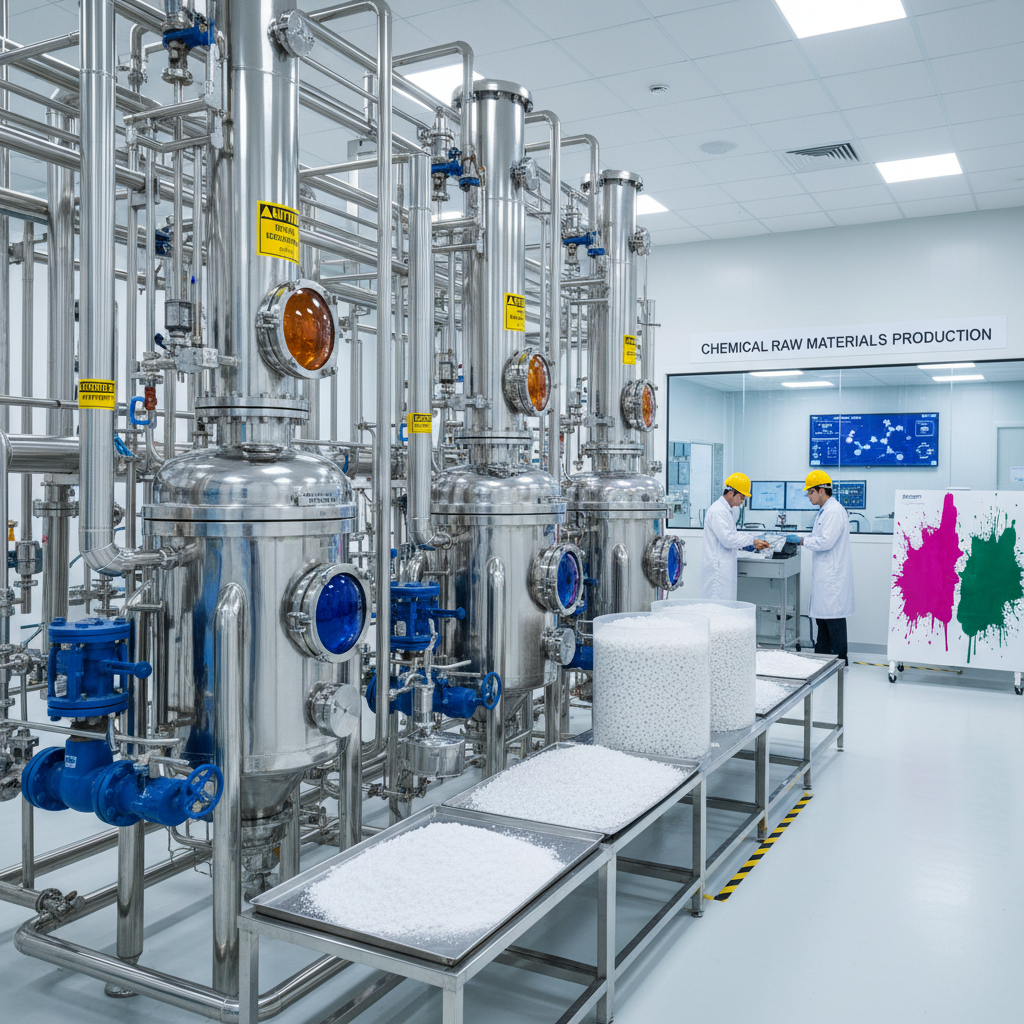
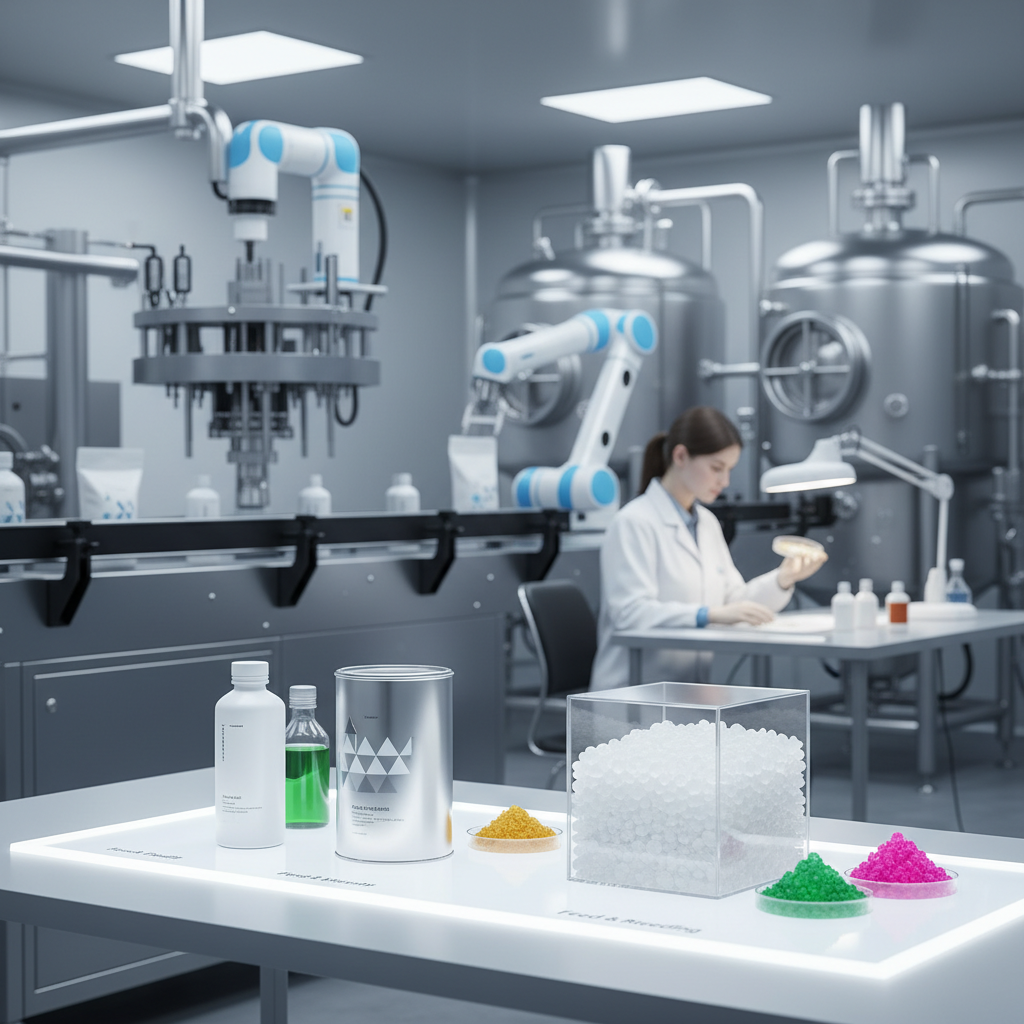
In the complex landscape of specialized chemical additives, understanding the precise mechanism and para aminobenzoic acid function is essential for optimizing product performance across diverse industries. While often discussed in different contexts, the integration of sulfur-containing amino acids and biochemical precursors allows manufacturers to achieve superior stability and efficacy in food, pharmaceutical, and agricultural applications.
The global demand for high-purity additives has surged as industries shift toward evidence-based formulation. Whether it is enhancing the elasticity of dough in the food sector or reducing mortality rates in intensive poultry farming, the strategic application of biochemical agents ensures that biological systems function at peak efficiency while maintaining strict regulatory compliance.
By analyzing the para aminobenzoic acid function in relation to synergistic additives like L-Cysteine Hydrochloride Monohydrate, companies can unlock new levels of product innovation. This article explores how these biochemical functions translate into tangible economic gains and improved animal welfare on a global scale.
The Biochemical Foundation of Functional Additives
The core of modern additive chemistry lies in the ability to manipulate molecular bonds to achieve specific industrial outcomes. In the case of sulfur-bearing amino acids, the presence of sulfhydryl groups (-SH) allows for the reduction of disulfide bonds, which is a critical mechanism for modifying protein structures in food and cosmetic applications.
When examining the para aminobenzoic acid function in a broader biochemical context, it becomes clear that the synergy between various organic acids and amino acids is what drives stability. For instance, maintaining a purity of ≥99.5% over 24 months ensures that these biochemical functions remain consistent, preventing degradation in high-stress storage environments.
Industrial Impact on Food and Pharmaceuticals
In the food industry, the primary objective is to enhance texture and shelf-life without compromising safety. By reducing disulfide bonds in gluten, specific additives can increase bread specific volume by 12-18% compared to GB/T 20981 standards. A practical application is seen in dumpling wrappers, where a 0.05% addition can reduce freeze-thaw cracking by 35%, significantly improving the commercial viability of frozen foods.
Pharmaceutical applications leverage these biochemical pathways for clinical outcomes. As a precursor to acetylcysteine, certain agents can reduce sputum viscosity by 58% in chronic bronchitis patients, a result validated through rigorous viscometry. Furthermore, the ability to elevate hepatocyte glutathione (GSH) to 1.8× the baseline in liver repair models demonstrates the potency of these compounds in medical recovery.
Cosmetic science also benefits from these functions, particularly in hair restoration and skin brightening. Formulations using 2% concentration can increase hair breakage resistance from 0.8N to 1.2N (ISO 5079 certified) by selectively reducing non-essential disulfide bonds. In skincare, tyrosinase inhibition with an IC50 of 2.3mM provides a powerful whitening effect, outperforming traditional arbutin.
Enhancing Animal Growth and Feed Efficiency
Maximizing the genetic potential of livestock requires precise nutritional interventions. The para aminobenzoic acid function and related amino acid supplements focus on boosting nutrient absorption by enhancing GSH synthesis within the intestinal mucosa, which directly impacts the average daily gain (ADG) of broilers.
Experimental data shows that a 0.1% dietary inclusion can increase broiler ADG by 8.5% while reducing the feed conversion ratio (FCR) by 0.15. This improvement is not merely about growth speed but about the efficiency of converting feed into high-quality muscle mass, which is critical for large-scale farming profitability.
For layers, the focus shifts to eggshell integrity. By serving as a sulfur source for methionine, these additives promote the formation of the calcification matrix. This leads to an increase in eggshell thickness by 10-12μm, effectively lowering the breakage rate by 18% as measured by precision micrometers.
Aquatic Species Regulation and Protection
In aquaculture, the challenges of high-density farming often lead to oxidative stress and growth delays. The application of specialized amino acids facilitates chitin synthesis in crustaceans, which is vital for regulating molting cycles. For example, a 0.05% supplementation in Pacific white shrimp feed has been shown to improve molting synchronization by 30%.
Beyond growth, the protection of vital organs is paramount. In fish farming, these additives reduce oxidative stress by lowering hepatic malondialdehyde (MDA) levels by 35% via ELISA testing. This ensures that fish remain healthy even under the environmental pressures of intensive aquaculture systems.
Effectiveness of para aminobenzoic acid function in Aquatic Species
Boosting Immunity and Disease Resistance
The integrity of the gut barrier is the first line of defense for any livestock species. By activating the Nrf2 pathway, specialized additives enhance the secretion of mucin MUC2, which repairs the mucus layer and reduces the infection rate of coli by 22% in broiler challenge trials.
Additionally, the suppression of NF-κB signaling helps in decreasing intestinal IL-6 expression by 40% as validated by RT-qPCR. When combined with standard vaccinations, such as the Newcastle-IBD vaccine, these additives act as immune adjuvants, elevating antibody titers (HI) by 2-3 logs, ensuring a more robust and lasting immune response.
Detoxification and Heavy Metal Antagonism
Mycotoxin contamination, particularly Aflatoxin B1 (AFB1), poses a severe threat to liver health in poultry and swine. The -SH groups found in these functional additives directly bind to AFB1 epoxides, reducing liver residue by 55% as confirmed by HPLC-MS analysis.
Heavy metal toxicity is another critical concern in industrial farming. The chelation capacity of these sulfur-containing compounds allows them to sequester lead and cadmium. In duck diets, a 0.1% addition has been shown to decrease hepatic lead content by 42% according to AAS testing.
This dual action of neutralization and excretion not only protects the animal's health but also ensures that the resulting meat and eggs are safe for human consumption, meeting the stringent heavy metal limits (Pb ≤2ppm, As ≤1ppm) set by GB 7300.901-2019.
Optimizing Animal Product Quality and Yield
The final measure of any feed additive's success is the quality of the end product. In the pork industry, adding 0.05% of these compounds to finisher diets reduces drip loss by 20% via the centrifugation method, significantly improving the water-holding capacity of the meat.
In poultry, the flavor profile is enhanced by increasing inosine monophosphate (IMP) content by 15%, which heightens the umami taste. For rainbow trout, a synergistic effect with astaxanthin increases the red pigment (a value) by 25%, creating a more visually appealing product for the market.
From a financial perspective, the cost-benefit analysis is compelling. For broiler farms, while feed costs may increase by ¥30-50 per ton, the reduction in mortality by 2-3% can yield an annual profit increase of over ¥50k per 10k birds, proving the economic value of these biochemical functions.
Economic and Technical Performance Analysis of Functional Additives
| Target Species |
Recommended Dosage |
Key Performance Metric |
Economic Impact |
| Broilers |
0.05-0.1% |
ADG +8.5% / FCR -0.15 |
High Profitability |
| Layers |
0.08% |
Shell Thickness +12μm |
Lower Breakage Rate |
| White Shrimp |
0.03-0.08% |
Molting Sync +30% |
Faster Cycle Time |
| Rainbow Trout |
0.05% |
a Value +25% |
Premium Market Price |
| Pork (Finisher) |
0.05% |
Drip Loss -20% |
Better Meat Quality |
| Duck |
0.1% |
Hepatic Pb -42% |
Safety Compliance |
FAQS
While the term can be broad, in the context of feed and breeding, the focus is on providing sulfur sources and precursors that enhance glutathione (GSH) synthesis. This supports intestinal mucosa repair, boosts nutrient absorption, and protects the liver from oxidative stress, which overall improves growth rates and reduces mortality in livestock.
It acts as a vital sulfur source for methionine, which is essential for the formation of the calcification matrix of the eggshell. Experimental data indicates that a 0.08% addition can increase shell thickness by 10-12μm, significantly reducing the rate of breakage during transport and handling.
Yes, it is highly effective for crustaceans. A 0.05% supplementation helps regulate molting cycles by facilitating chitin synthesis, which leads to better molting synchronization (up to 30% improvement) and faster shell hardening, reducing vulnerability during the molting phase.
Absolutely. The sulfhydryl (-SH) groups in these compounds possess strong chelation properties, allowing them to sequester heavy metals like lead and cadmium. For instance, in duck diets, a 0.1% inclusion has been shown to decrease hepatic lead levels by 42%.
To maintain a purity of ≥99.5%, the product should be stored in light-protected, sealed containers with water activity (aW) kept below 0.3. It is stable for up to 24 months at 40°C and 75% relative humidity, compliant with ChP 2020 standards.
On the contrary, it often acts as an immune adjuvant. When used alongside the Newcastle-IBD vaccine, it can elevate antibody titers (HI) by 2-3 logs, enhancing the overall protective effect of the vaccination program.
Conclusion
The multifaceted nature of the para aminobenzoic acid function and its associated biochemical pathways provides a powerful toolkit for modern industry. From reducing gluten disulfide bonds in food to chelating heavy metals in livestock, the evidence-based application of these additives leads to measurable increases in product quality, animal health, and overall economic yield. By bridging the gap between molecular chemistry and practical application, producers can achieve higher efficiency and stricter regulatory compliance.
Looking forward, the integration of these additives into precision nutrition and sustainable farming will be key to meeting global food security demands. We recommend that producers adopt customized solutions based on specific animal life stages to maximize ROI and animal welfare. For high-purity additives and tailored biochemical solutions, visit our website: www.hbfuyangbio.com.