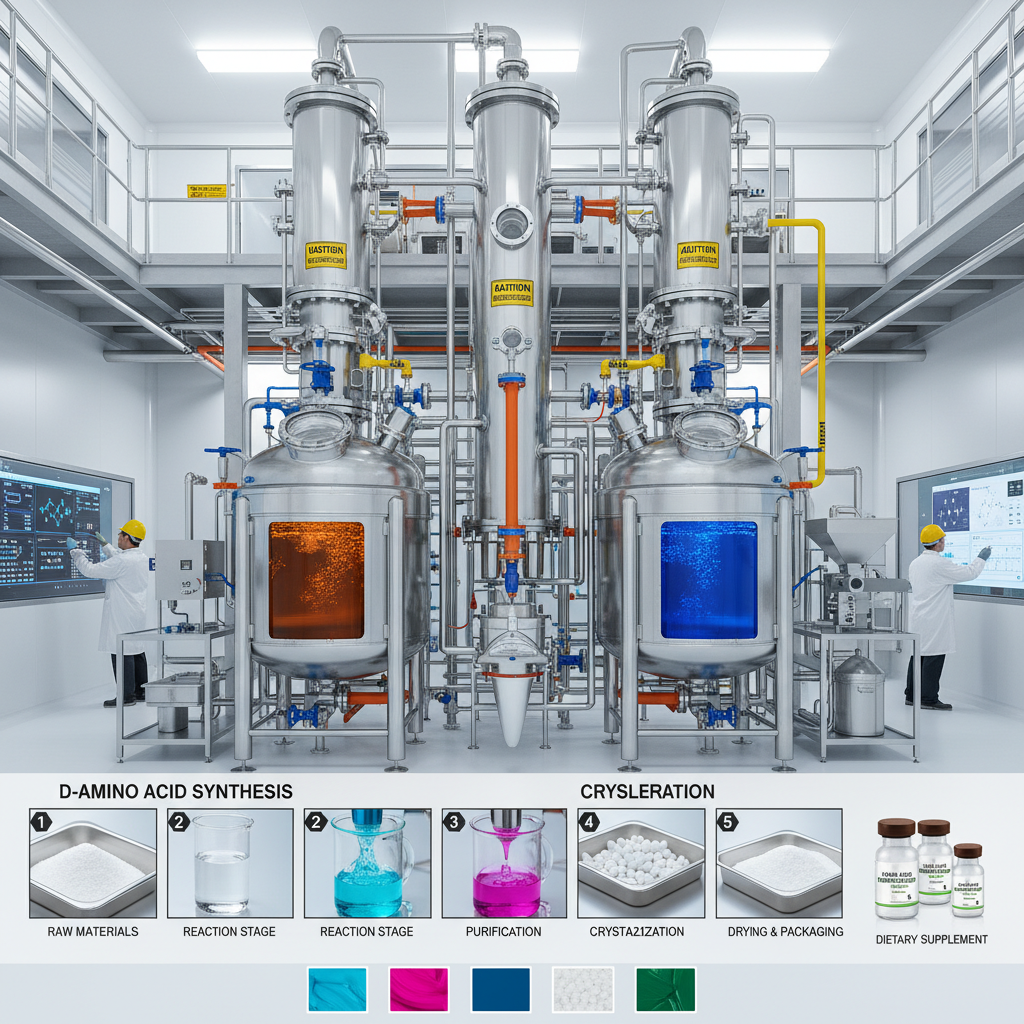
In the evolving landscape of global agriculture and animal nutrition, the role of specialized nutritional additives has become paramount. Among these, hyp amino acid, also known as hydroxyproline, stands out as a critical component for structural integrity and metabolic efficiency in livestock and crops. By bridging the gap between standard protein intake and specific physiological requirements, this amino acid ensures that biological systems can maintain resilience against environmental stressors and growth inhibitors.
The global demand for high-efficiency feed and bio-stimulants has surged as the World Bank and FAO highlight the need for sustainable intensification of food production. The integration of hyp amino acid into modern formulations addresses the challenge of protein waste and nutrient inefficiency. By providing a precise biological building block, manufacturers can reduce the reliance on bulk soy or fishmeal, thereby lowering the environmental footprint of industrial farming while maximizing yield.
Understanding the biochemistry and application of hyp amino acid allows producers to optimize everything from collagen synthesis in breeding animals to the stress-recovery mechanisms in hydroponic agriculture. This guide explores the technical dimensions, commercial advantages, and future trajectories of this specialized amino acid, offering a comprehensive roadmap for stakeholders in the chemical and agricultural sectors.
Global Relevance of hyp amino acid in Modern Industry
The industrialization of animal husbandry and the shift toward precision agriculture have placed hyp amino acid at the center of nutritional strategy. Globally, the drive to reduce nitrogen excretion—a major contributor to groundwater pollution—requires the use of highly bioavailable amino acids that are absorbed efficiently by the organism. This shift is not merely a trend but a regulatory necessity in regions like the European Union, where strict emission limits drive the adoption of specialty supplements.
From a commercial perspective, the stability and purity of hyp amino acid ensure that feed manufacturers can maintain consistent product quality across different batches. This reliability is essential for large-scale operations where a slight deviation in nutrient density can lead to significant losses in growth rates or immunity, making the strategic sourcing of high-grade hydroxyproline a cornerstone of risk management in the agri-chemical sector.
Technical Definition and Biological Significance
Technically, hyp amino acid, or hydroxyproline, is a non-proteinogenic amino acid derived from the post-translational modification of proline. While not synthesized de novo by most animals in the same way as essential amino acids, its presence is indispensable for the stability of the collagen triple helix. This structural role is what makes it vital for connective tissues, skin, and cartilage development in breeding livestock.
In the context of modern industry, this amino acid serves as a biomarker for collagen degradation and synthesis. For the feed industry, supplementing hyp amino acid means providing the necessary precursors to support rapid growth phases, such as the early development of piglets or the recovery of poultry after intensive growth cycles. It ensures that the physical architecture of the animal grows in tandem with its muscular mass.
Beyond animal health, its role in agricultural bio-stimulants is gaining traction. By acting as a signaling molecule, hyp amino acid helps plants manage abiotic stress, such as salinity or drought, by regulating osmotic pressure and enhancing the plant's internal defense mechanisms. This dual utility makes it a versatile tool for both the livestock and crop science sectors.
Core Components for Performance Optimization
The efficacy of hyp amino acid is largely determined by its purity and the method of its synthesis. High-purity grades are essential to avoid the introduction of unwanted minerals or contaminants that could interfere with the absorption of other critical nutrients. Scalability in production is another core factor, ensuring that the supply chain can meet the seasonal peaks of the agricultural calendar without price volatility.
Cost efficiency is achieved not through the lowest price per kilogram, but through the "conversion ratio." When hyp amino acid is integrated into a balanced feed matrix, it reduces the need for expensive protein sources, effectively lowering the overall cost of production per unit of animal weight gain while improving the health of the livestock.
Lastly, bioavailability and stability under processing conditions—such as pelleting or extrusion—are critical. A robust hyp amino acid supplement must withstand high temperatures and pressures without degrading, ensuring that the animal receives the intended dosage at the point of consumption.
Practical Applications in Global Feed and Agriculture
In the realm of aquaculture, hyp amino acid is utilized to enhance the skin integrity and scale formation of high-value fish species, reducing the incidence of epidermal infections in intensive farming systems. In Southeast Asia and Latin America, where aquaculture is a primary economic driver, the use of these specialized amino acids has led to a measurable decrease in mortality rates during the transport of fingerlings.
For terrestrial livestock, particularly in the swine and poultry industries of North America and Europe, hyp amino acid is often used as a functional additive to support joint health in fast-growing breeds. By optimizing the collagen matrix, producers can prevent lameness and improve the overall welfare of the animals, which directly correlates to higher market weights and better meat quality.
Comparative Efficiency of hyp amino acid Application Methods
Tangible Advantages and Long-Term Value
The most immediate advantage of integrating hyp amino acid into a production cycle is the improvement in biological resilience. Animals supplemented with a precise balance of hydroxyproline exhibit faster recovery from injury and better resistance to metabolic stress. This reliability translates to a more predictable production timeline, allowing farmers to optimize their slaughter and market schedules with higher confidence.
From a sustainability perspective, the long-term value of hyp amino acid lies in its ability to reduce the environmental load. By increasing the efficiency of protein utilization, there is less nitrogenous waste excreted into the environment. This not only aligns with global "Green Deal" initiatives but also enhances the brand value of the producer, who can market their products as being raised with environmentally conscious, precision-nutrition methods.
Future Trends and Technological Innovations
The future of hyp amino acid production is leaning heavily toward biotechnology and fermentation. The shift from chemical synthesis to microbial fermentation allows for a "greener" production process, reducing the use of harsh solvents and lowering the carbon footprint of the manufacturing plant. These bio-based amino acids are often perceived as more natural by consumers, adding an emotional layer of trust to the final food product.
Digital transformation is also playing a role through the advent of "Smart Feeding" systems. AI-driven algorithms can now adjust the dosage of hyp amino acid in real-time based on the growth stage and health metrics of the livestock. This precision ensures that nutrients are delivered exactly when needed, eliminating waste and maximizing the physiological impact of the supplement.
Moreover, research is expanding into the use of hyp amino acid in combination with nano-carriers. By encapsulating the amino acid in lipid-based nanoparticles, researchers aim to achieve targeted delivery to specific tissues, such as the cartilage of joints or the root systems of plants, further increasing the efficiency of the additive and reducing the required dosage.
Overcoming Implementation Challenges
Despite the benefits, the adoption of hyp amino acid often faces the hurdle of initial cost perception. Many producers view specialty amino acids as an added expense rather than an investment. The solution lies in comprehensive ROI analysis, demonstrating that the reduction in veterinary costs and the increase in final yield far outweigh the incremental cost of the supplement.
Another challenge is the lack of standardized dosing guidelines across different species. Because the requirement for hyp amino acid varies based on breed, age, and environment, a "one size fits all" approach often fails. Expert consultation and the use of customized nutritional profiles are essential to ensure that the supplement provides the intended biological benefit without causing imbalances in other amino acid levels.
Lastly, regulatory hurdles regarding the classification of bio-stimulants in different jurisdictions can slow down international trade. Collaborative efforts between manufacturers and regulatory bodies to establish clear purity and safety standards for hyp amino acid are crucial for expanding global access to these innovative nutritional solutions.
Comprehensive Analysis of hyp amino acid Implementation Metrics
| Application Sector |
Primary Objective |
Efficiency Score (1-10) |
Sustainability Impact |
| Swine Breeding |
Joint & Bone Support |
9 |
High - Reduced Waste |
| Poultry Farming |
Rapid Growth Stability |
8 |
Medium - Protein Opt. |
| Aquaculture |
Skin & Scale Integrity |
10 |
High - Lower Mortality |
| Crop Bio-stimulants |
Abiotic Stress Relief |
7 |
Very High - Eco-friendly |
| Pet Nutrition |
Cartilage Regeneration |
9 |
Medium - Quality Focus |
| Specialty Pharma |
Collagen Precursor |
10 |
Low - High Purity Cost |
FAQS
Hyp amino acid, or hydroxyproline, is a modified version of proline where a hydroxyl group is added. While proline is a standard amino acid used in many proteins, hydroxyproline is specifically critical for the stabilization of collagen. In livestock, this means better joint health and skin integrity, which standard proline alone cannot provide at the same structural efficiency.
Yes, it is highly versatile. In animals, it focuses on structural collagen synthesis. In plants, it acts as a bio-stimulant that helps the organism cope with environmental stressors like extreme temperatures or drought by modulating the plant's internal metabolic response and osmotic balance.
While the unit price is higher than bulk proteins, it is cost-effective because it allows for a reduction in total protein intake without sacrificing growth. By improving the feed conversion ratio (FCR), farmers often see a net increase in profit due to faster growth cycles and lower veterinary costs associated with joint issues.
By ensuring the structural integrity of the connective tissues during the growth phase, hyp amino acid helps in achieving a more consistent texture and better water-holding capacity in the final product, which is highly valued by processors and end consumers.
Like all nutrients, balance is key. Over-supplementation can lead to imbalances with other amino acids, potentially affecting the liver's processing capacity. It is always recommended to use a formulation based on the specific species and growth stage, guided by a professional nutritionist.
Importing requires verification of purity grades (e.g., Feed Grade vs. Pharma Grade) and compliance with local agricultural regulations. Partnering with a certified manufacturer like Hbfuyangbio ensures that the product meets ISO and safety standards, simplifying the customs and regulatory approval process.
Conclusion
In summary, hyp amino acid represents a critical evolution in precision nutrition, offering unparalleled benefits for structural integrity, stress resilience, and environmental sustainability across the agricultural and chemical industries. By moving beyond bulk protein supplementation and focusing on specific biological precursors, producers can achieve higher yields, better animal welfare, and a significantly reduced ecological footprint.
As we look toward a future of sustainable intensification, the adoption of bio-based and AI-optimized amino acid delivery systems will be the differentiator between traditional farming and high-efficiency agri-business. We encourage industry stakeholders to integrate these specialized nutrients into their strategic planning to ensure long-term viability and competitiveness in a green global economy. Visit our website for more professional solutions: www.hbfuyangbio.com